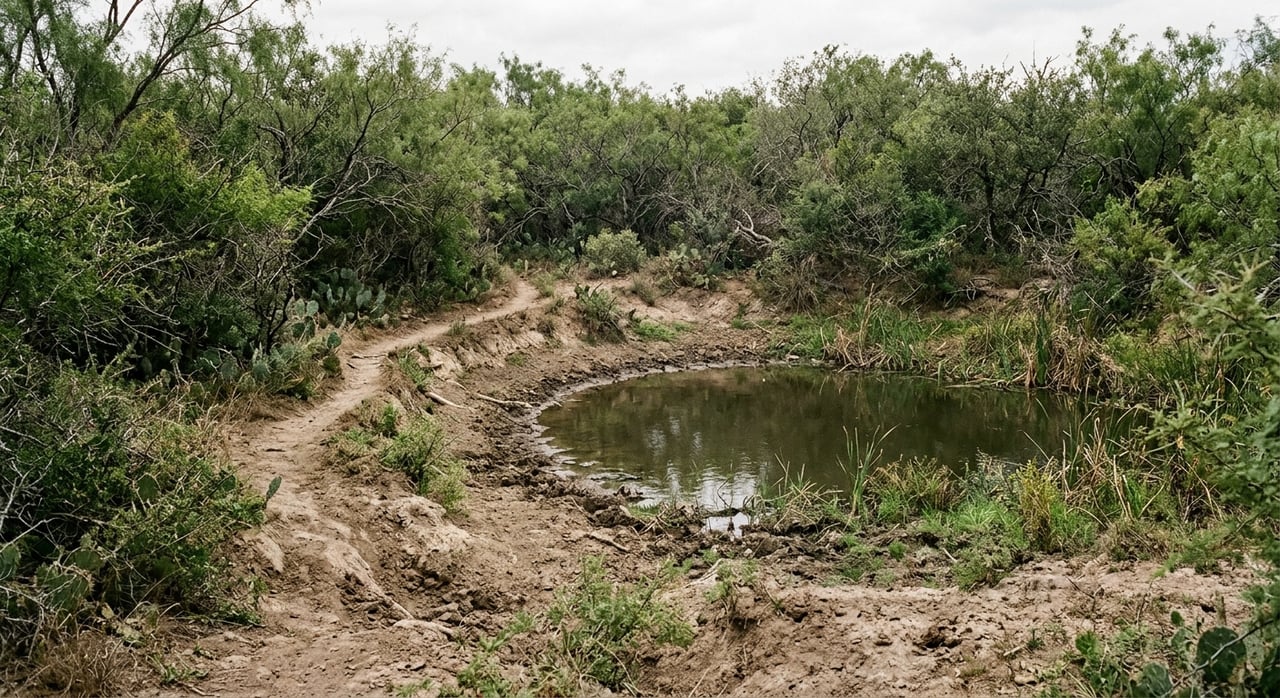
If you are looking at ranch land in Medina County, wildlife value is not just about spotting deer on a drive. It is about how the land is put together, from brush and grasses to water and travel cover. When you know what to look for, you can better judge whether a ranch fits your goals for recreation, hunting, or long-term stewardship. Let’s dive in.
Why Medina County Habitat Stands Out
Medina County sits in a transition zone, and that matters on the ground. The county is divided east to west by the Balcones Escarpment, with Hill Country and Edwards Plateau conditions to the north and Rio Grande Plains conditions to the south.
That mix creates a wide range of ranch landscapes. According to the Texas State Historical Association, the county also varies sharply in elevation, from 1,995 feet in the north to 635 feet in the south, with average rainfall of 28.43 inches and hot, dry summers.
For you as a buyer or landowner, that means no single ranch will represent all of Medina County. Some tracts lean more rocky and brushy, while others show more open grass, sandy loam, clay soils, and different native plant mixes.
What Native Cover You May See
In the northern part of the county, soils include black waxy and limestone types that support grasses, brush, junipers, mesquite, shinnery oaks, and live oaks. In the southern part, sandy loam and clay soils support bluestem, buffalo grass, Arizona cottontop, post oak, live oak, and mesquite.
That matters because wildlife usually responds to plant diversity and structure, not just acreage. A ranch with only one uniform cover type may look clean from the road, but it can offer fewer practical habitat functions than land with a better mix.
Wildlife Features That Often Matter Most
In Medina County, the most useful way to think about wildlife habitat is as a mosaic. That means a balanced combination of brush, native grass, forbs, trees, and shrubs that work together.
Brush provides concealment and bedding cover. Native grasses and forbs help support feeding needs. Trees and taller shrubs add shade, screening, and movement options across the property.
Texas Parks and Wildlife describes the Hill Country as rolling to hilly grassland with springs, stony hills, steep canyons, and oak-juniper vegetation. It also calls the region the Deer Factory of Texas and notes that it supports the state's largest white-tailed deer population.
In South Texas Plains habitat, TPWD notes that wildlife value comes mainly from the diversity of plant species and vegetation communities. Thorny brush species such as mesquite, blackbrush, and brasil are common in brush-country settings, and Texas A&M AgriLife explains that brush is a necessary part of deer habitat even when it complicates livestock production.
Common Wildlife on Medina County Ranches
Depending on the tract, familiar recreational species often include:
- White-tailed deer
- Rio Grande turkeys
- Bobwhite quail
- Mourning doves
- White-winged doves
- Songbirds
You do not need to see every species on a single visit to understand a ranch’s potential. The better question is whether the property has the right combination of cover, food, water, and movement routes to support regular wildlife use.
Edge Habitat in Plain Language
One term you may hear is edge. Edge is simply the place where two cover types meet, such as brush next to grass, an oak motte beside pasture, or a wooded creek bottom against an open upland.
That transition can matter because some wildlife benefits from having more than one habitat type close together. Deer, turkey, quail, and rabbits are often associated with this kind of mixed landscape.
Still, more edge is not always better. The practical takeaway is not to chase every possible edge line, but to notice whether the ranch has a useful mix of cover types with reasonably natural transitions between them.
Travel Corridors and Why They Count
A travel corridor is a strip of cover that helps wildlife move from one useful place to another. On Medina County ranches, that often means brushy draws, creek bottoms, shaded drainages, and other connected cover routes.
These corridors matter because wildlife does not use land evenly. Animals tend to move along areas that offer cover, shade, and a logical path between bedding, feeding, and water.
Riparian areas, which are the lands next to creeks, rivers, and drainages, are often some of the most productive wildlife habitat on a ranch. If you are touring a property, these areas are worth extra attention because they often function as the land’s main movement lanes.
Water Features That Add Habitat Value
Water is a major part of Medina County’s landscape pattern. The county includes the Medina River, Frio River drainage, Medina Lake Reservoir, smaller creek reservoirs, and stock tanks.
On many ranches, a pond or stock tank can add real habitat value, especially in dry periods. TPWD notes that stock ponds in interior Texas have become abundant wetland habitat, with more ducks using stock tanks than traditional wintering grounds in some of its surveys.
Still, not every water feature contributes equally. A pond or tank tends to matter most when it holds water, has some nearby cover, and connects logically to the rest of the habitat rather than sitting as a bare, isolated basin.
Quick Visual Cues on a Ranch Tour
When you walk or drive a ranch in Medina County, look for signs that habitat pieces fit together. A few simple visual cues can help.
Look for Cover Variety
A mix of open grass, low brush, and trees usually signals more habitat variety than one uniform cover type. That balance often supports more consistent wildlife use than land that has been cleared too hard or is dominated by only one kind of vegetation.
Check Creek Bottoms and Drainages
Creek bottoms and drainages with tree or shrub cover often serve as natural movement lanes. Even if the ranch is mostly upland country, these lower, shaded areas can carry a lot of wildlife activity.
Notice the Condition Near Water
Bare, heavily grazed banks can reduce habitat function near water. Buffered edges with grass, shrubs, or trees generally do more to support wildlife movement and basic water-side cover.
Pay Attention to How Features Connect
The key question is not whether the ranch has deer, birds, or a pond. The better question is whether cover, food, water, and movement routes fit together in a way that supports repeated wildlife use across the property.
Light Habitat Improvements Without Overdoing It
For many buyers and owners, the smartest approach is not major clearing. It is usually better to protect the land’s existing balance and make selective improvements where needed.
TPWD notes that Hill Country wildlife management often relies on grazing, rest, and prescribed fire to rebuild plant diversity. It also warns that soil disturbance is generally not recommended on shallow, rocky Hill Country soils because erosion risk is high.
Texas A&M AgriLife likewise notes that brush management can increase forage while still preserving enough brush cover for deer and other wildlife. In practical terms, that points toward selective brush work and managed rest rather than broad clearing if your goal is to improve recreation without stripping the ranch of cover.
What This Means for Buyers
If you are shopping Medina County ranches, it helps to look past first impressions. A property that seems rougher or brushier at first glance may actually offer better wildlife structure than land that appears overly manicured.
This is especially true in a county that transitions between Hill Country and South Texas brush-country conditions. The most useful question is whether the tract matches your intended use, whether that is hunting, weekend recreation, long-term holding, or a mix of uses.
A land-focused evaluation should also consider how habitat fits with access, water, terrain, and the practical realities of ownership. That kind of clear-eyed review helps you judge not just what the ranch looks like today, but how it may function over time.
If you are considering buying or selling ranch land in Medina County, working with someone who understands both habitat and the operational side of land can help you make better decisions. To talk through a property with a practical, land-first perspective, connect with Craig Wilson South Texas Land.
FAQs
What wildlife is commonly found on Medina County ranches?
- Common species on Medina County ranches often include white-tailed deer, Rio Grande turkeys, bobwhite quail, mourning doves, white-winged doves, and songbirds.
What does edge habitat mean on a Medina County ranch?
- Edge habitat means the boundary where two cover types meet, such as brush and grass or woods and pasture, and it can support wildlife by placing different habitat features close together.
Why do travel corridors matter on Medina County ranch land?
- Travel corridors help wildlife move between bedding, feeding, and water areas, and on many ranches they show up as brushy draws, creek bottoms, and shaded drainages.
Do ponds and stock tanks help wildlife on Medina County ranches?
- Yes. Ponds and stock tanks can add habitat value, especially when they hold water, have nearby cover, and connect well with the rest of the ranch.
Is clearing more brush always better for wildlife on Medina County ranches?
- No. A balanced mix of brush, grass, and tree cover is often more useful for wildlife than broad clearing, especially when the goal is to support regular recreational use and preserve habitat structure.