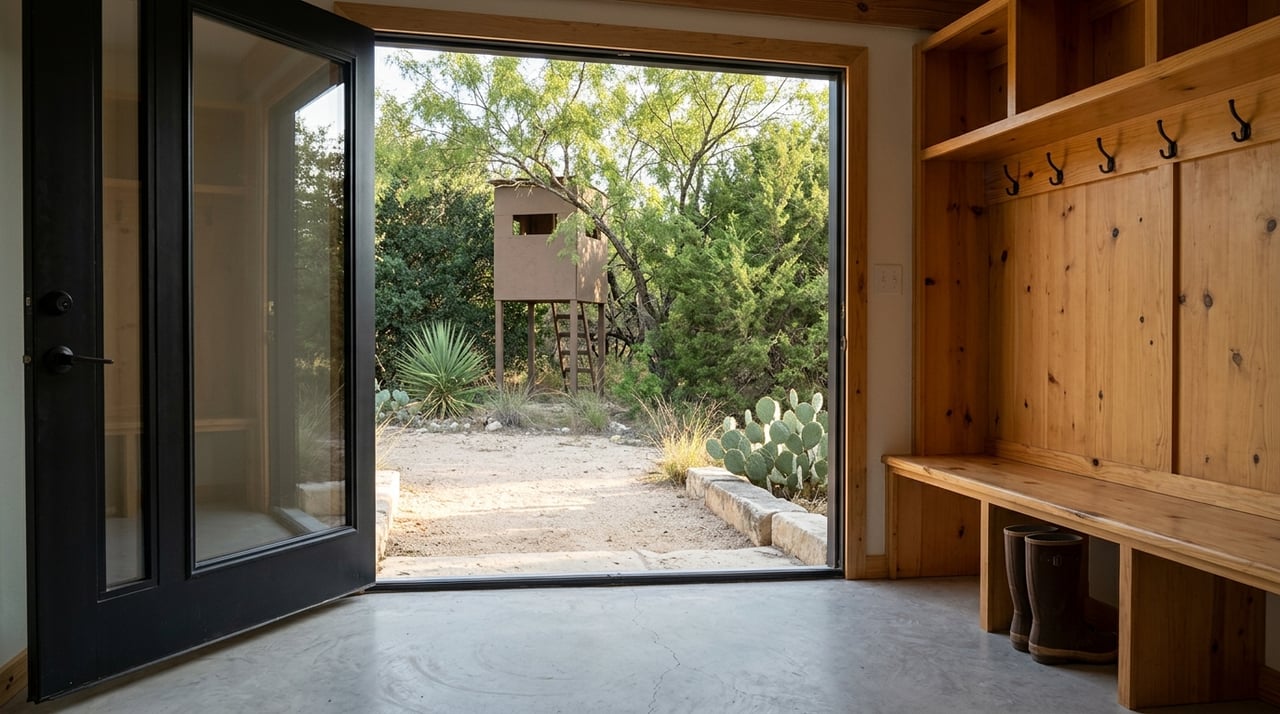
Wondering what gives a Frio County ranch its real staying power? In this part of South Texas, the answer is often less about flashy improvements and more about a repeatable rhythm of hunting, gathering, and simple time on the land. If you are thinking about buying, selling, or holding ranch property here, it helps to understand how these traditions actually work on the ground. Let’s dive in.
Frio County ranch life starts with the land
Frio County is shaped by ranchland, agriculture, and brush-country terrain. County materials describe a landscape that is mostly flat and largely covered in brush, mesquite, prickly pear, and grasses across 1,133 square miles of land.
That setting naturally supports recreational ranch use. It is the kind of place where a property can serve as a hunting ranch, a family gathering spot, and a low-key weekend retreat without needing to feel overbuilt.
Agriculture remains a major part of the county’s identity. A recent county update reports agricultural sales above $167.8 million, split at roughly 52% crops and 48% livestock, which reinforces the county’s strong land-based roots.
Recreation is more than hunting
When people picture a Frio County ranch, they often think first about deer season. That is a big part of the story, but it is not the only one.
Texas Parks and Wildlife notes that nature-based tourism on rural land can include bird-watching, photography, camping, and hiking. In practical terms, that helps explain why many ranches in Frio County function as flexible recreational places instead of single-purpose properties.
A well-used ranch might host a dove opener in early fall, quiet deer weekends in winter, spring turkey outings, and off-season family time in between. That kind of use pattern is common because the land supports simple outdoor living without requiring a packed activity schedule.
Climate shapes ranch traditions
The local climate plays a big role in how people use ranches here. The Pearsall climate table shows an average July high of 97.5°F, an average January low of 37.9°F, annual precipitation of about 25.73 inches, and a 275-day growing season.
That means timing matters. In warmer months, shade, water, and low-intensity use become important, while many of the most active ranch weekends are planned around cooler weather.
For buyers, this is a useful reminder that a Frio County ranch often works best when it is set up for comfort in practical ways. Reliable water, usable cover, and a modest camp setup can matter more than unnecessary extras.
The hunting calendar sets the rhythm
In Frio County, the hunting calendar helps shape the year. Texas Parks and Wildlife places the county in the South Zone framework, which gives local ranch use a familiar seasonal flow.
For the 2026 through 2027 season calendar, South Zone white-tailed deer season runs from November 7, 2026 through January 17, 2027, with a special late season from January 18 through January 31. South Zone dove season runs from September 1 through October 25 and again from December 18 through January 21. South Zone spring turkey season runs from March 20 through May 2, 2027.
That creates a rhythm many ranch owners know well:
- Early fall often starts with dove season
- Late fall and winter center on deer season
- Spring brings turkey season and cleanup
- The off-season is used for repairs, habitat work, and general upkeep
For many families and buyers, this schedule is part of the property’s appeal. It creates natural reasons to return to the ranch throughout the year.
Deer season is central in South Texas
Deer hunting traditions carry real weight in Frio County because the broader South Texas Plains region is well known for it. Texas Parks and Wildlife says the region is known for mature bucks and above-average antler quality.
Texas Parks and Wildlife also reports deer densities ranging from 24 to 52 deer per 1,000 acres in the three South Texas deer-management units. That does not mean every property performs the same way, but it does show why deer habitat and deer season remain such a strong part of ranch culture in this region.
Another local factor is timing. South Texas has the latest rut in the state, with breeding dates ranging roughly from November 9 to February 1 and peak breeding in mid-to-late December.
That helps explain why many Frio County ranch weekends are built around cool fronts and the rut rather than around summer use. For buyers evaluating a hunting place, that seasonal pattern matters because it affects how the ranch is used, maintained, and enjoyed.
Hogs and other game extend the season
Ranch activity does not stop when deer season ends. Texas Parks and Wildlife says feral hogs on private property with landowner authorization may be hunted without a hunting license, though hunter education requirements still apply.
Texas Parks and Wildlife also says nongame species on private property have no closed seasons or bag limits. In real-world ranch use, that means hogs are often treated as a year-round management issue rather than a short seasonal event.
For a recreational property owner, this adds another layer of utility. A ranch can still stay active outside the main deer window, which can help keep the property useful across more of the calendar.
Common ranch setups stay simple
One reason Frio County ranch traditions endure is that the physical setup is often straightforward. You do not need a major lodge or highly improved compound to have a functional recreational place.
Texas Parks and Wildlife says hunting from blinds is very common in Texas. Elevated blinds are often paired with feeders, and they should be checked before use for floor, ladder, and seating condition.
Ground blinds can be prefabricated, homemade, or built from brush and wood already on site. Pop-up blinds are portable, while box blinds and pit blinds are also common in bird hunting because they help conceal the hunter and create a defined shooting position.
Many buyers picture a ranch with a few well-placed blinds, a feeder network, and a basic camp. That picture lines up with a Texas Parks and Wildlife sample deer-lease budget that includes housing on the property, meals, feeders, blinds, feed, guide tips, and transportation or miscellaneous costs.
In many cases, the most useful camp is a simple one. A trailer, bunkhouse-style setup, or modest cabin can be enough if the ranch is comfortable, safe, and easy to use.
Placement and safety matter
A recreational setup works best when it is planned with care. Texas Parks and Wildlife advises that blind and feeder placement should be approved by the landowner and kept away from property lines.
That guidance is practical for both safety and neighbor relations. Placing blinds or feeders too close to a property line can create avoidable problems and reduce the overall functionality of the ranch.
For buyers, this is a good example of why operational readiness matters. A property may look attractive on paper, but the layout of blinds, feeders, roads, water, and boundaries can make a big difference in how well the ranch actually works.
Habitat work supports long-term use
A Frio County ranch is not just a place to visit during season. It is also a property that needs steady care between visits.
Texas Parks and Wildlife’s South Texas deer-management guidance says deer need food, water, cover, and space, and that sound habitat management is the single most important factor in maintaining a healthy herd. Its season forecast also notes that drought can slow fawn crops, making habitat and population management even more important.
This is one of the clearest lessons for buyers and sellers alike. The value of a recreational ranch is tied not only to acreage, but also to how well water, brush cover, fencing, and habitat work have been maintained.
What a realistic upkeep calendar looks like
Most well-run Frio County recreational ranches follow a practical annual routine. The exact details vary by property, but the basic pattern is consistent.
Late summer and early fall
This is often the time for feeder checks, blind repairs, water review, and final prep before heavier seasonal use begins. With summer heat in mind, this is also when owners often focus on making the property safe and functional rather than busy.
Fall and winter
This is the core hunting and guest season for many ranches. The property needs to be ready for repeated weekend use, with attention to access, camp condition, and the reliability of basic improvements.
Spring
Turkey season can keep the ranch active, and it is also a natural time for cleanup. Owners often use this period to reset after deer season and handle smaller repairs.
Off-season
This is when longer-range maintenance tends to happen. Brush control, fence work, water improvements, and habitat work often fit best when the ranch is not in its busiest recreational window.
What buyers should look for first
If you are in the early stages of buying a Frio County ranch, it helps to focus on function before appearance. The best question is usually not whether the place is marketed as a hunting ranch or a weekend retreat.
The better question is whether the land can support a simple, repeatable pattern of use. In many cases, that means looking closely at a few core features:
- Dependable water
- Practical access across the property
- Useful brush cover and habitat
- Fencing in workable condition
- A few blinds or locations that make sense
- Space for feeders where appropriate
- A modest camp or lodging setup
- A maintenance level you can realistically manage
When those pieces are in place, the ranch can often serve multiple roles at once. It can be a hunting property, a family gathering place, and a quiet weekend retreat without trying to be something it is not.
Why local land knowledge matters
Frio County ranch property is shaped by use, seasonality, and operational detail. That is why buyers and sellers often benefit from working with someone who understands how South Texas land actually functions beyond the listing sheet.
A land-first approach can help you look past surface impressions and focus on the details that affect long-term enjoyment and value. Things like access, water, easements, surveys, rights, and the condition of real-world improvements all matter when you are evaluating a ranch property.
If you are considering buying or selling ranch land in Frio County, Craig Wilson South Texas Land offers a practical, South Texas land-focused approach built around due diligence, operational understanding, and clear guidance from start to finish.
FAQs
What hunting seasons shape ranch use in Frio County?
- Frio County follows the South Zone framework, with dove season in early fall, white-tailed deer season from November into January with a special late season, and spring turkey season from March into May for the 2026 through 2027 calendar.
What makes a Frio County ranch good for recreation?
- A functional recreational ranch often has dependable water, workable access, useful cover, a few well-placed hunting setups, and a modest camp that supports repeat weekend use.
What wildlife is common on Frio County hunting ranches?
- Deer are a major focus in the South Texas Plains, and many ranches also deal with feral hogs as a year-round part of the landscape.
What improvements are common on Frio County ranches?
- Common setups include elevated blinds, ground blinds, feeders, basic lodging such as a trailer or bunkhouse-style camp, and practical improvements that make the property safe and usable.
What upkeep does a Frio County recreational ranch need?
- Most properties need regular checks on blinds, feeders, water, fencing, access routes, and habitat conditions, along with off-season repair and brush work.
What should buyers evaluate first on a Frio County ranch?
- Buyers should start with function, including water, access, habitat, fencing, boundaries, camp usability, and whether the property can support the kind of hunting and recreation rhythm they want.


