If you are thinking about selling a ranch in La Salle County, you are not listing a typical property. You are bringing a piece of working South Texas land to market, and buyers will look closely at the details that affect use, access, and long-term value. When you know what to expect before you list, you can avoid surprises, price more confidently, and move through the process with less stress. Let’s dive in.
La Salle County Ranches Sell Differently
La Salle County is a rural, land-focused market, and that shapes how your ranch will be viewed by buyers. The county had an estimated 2024 population of 6,679 spread across 1,486.7 square miles, and USDA data shows 344 farms covering 552,478 acres, with an average farm size of 1,606 acres.
That matters because many buyers are evaluating a ranch here as land first and residence second. In practical terms, they are usually focused on access, water, fencing, pasture, rights, and operational flexibility before they focus on cosmetic features.
Regional pricing trends also set the tone for your listing. In first quarter 2026, the Texas Real Estate Research Center reported South Texas rural land at $6,277 per acre, up 4.76% year over year, with stronger activity in annualized sales and acres sold.
At the same time, that report noted some market headwinds, including interest rates, price resistance, and sellers still anchored to 2022 and 2023 expectations. For you, that means realistic pricing is one of the biggest factors in how quickly your ranch draws serious attention.
Start With Pricing, Not Guesswork
One of the first things to expect when listing a La Salle County ranch is a more detailed pricing conversation than you might have with a home sale. A useful ranch price opinion should be based on recent local comparable sales, current market trends, and the specific characteristics of your tract.
County appraisal values are not the same thing as market value. The Texas Comptroller distinguishes agricultural productivity value from market value, and land that qualifies for agricultural appraisal may be taxed based on production capacity rather than what a buyer would pay in the open market.
That difference can create confusion for sellers. If your tax value is lower than expected, it does not automatically mean your ranch will sell for less. If it looks high or low compared with nearby land, it still does not replace a land-specific opinion of value grounded in current sales.
Expect a Due Diligence Review Up Front
A smooth ranch listing usually starts before the property ever goes live. In La Salle County, buyers often ask practical questions early, so it helps to gather answers before they ask.
Texas A&M AgriLife notes that rural land buyers commonly want to understand:
- Current survey status
- Legal access
- Boundary lines
- Easements and rights-of-way
- Liens and deed restrictions
- Lease information
- Property tax status
- Mineral, groundwater, and wind rights
- Water sources
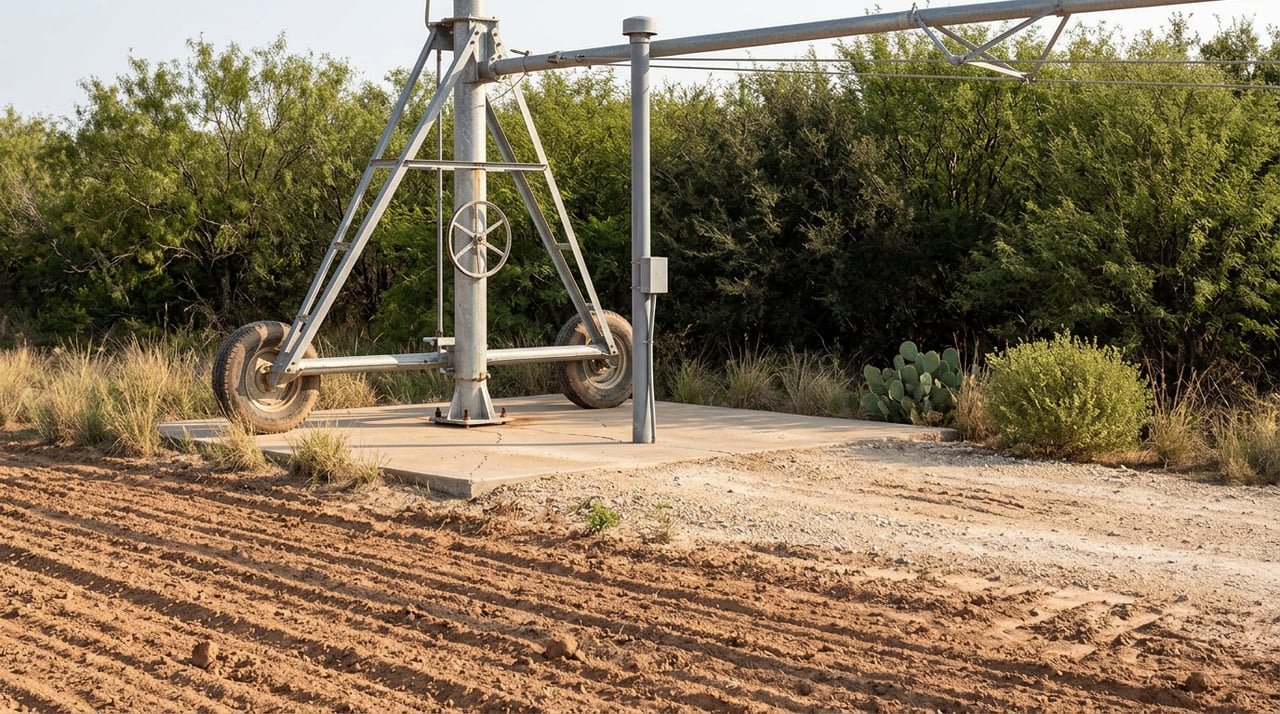
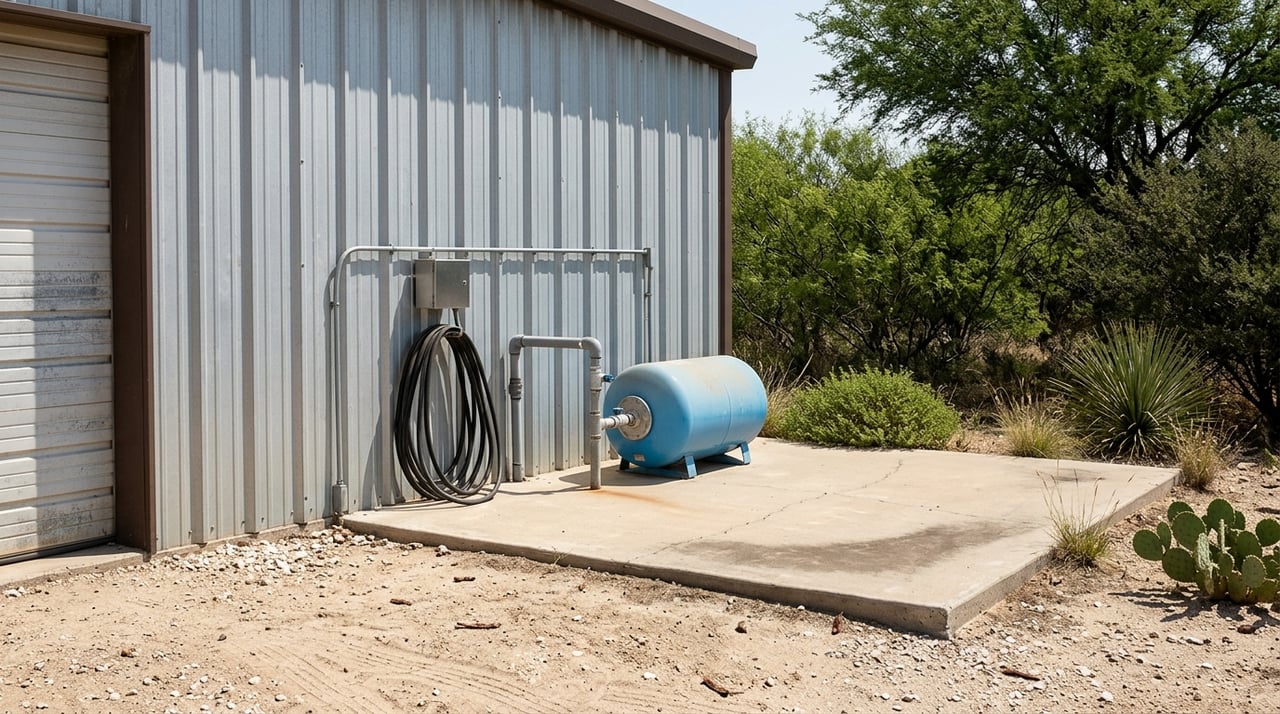
- Fencing, roads, gates, and utilities
This is where a land-first listing process can save time later. If you already know what rights convey, where easements are located, and whether there are leases in place, negotiations tend to be cleaner and more efficient.
Survey Questions Often Come Early
You should expect survey questions almost immediately. A current survey is important on rural property because buyers, lenders, and title companies want the best available picture of the boundaries, easements, rights-of-way, and legal description.
TRERC explains that surveys are often advisable when land is bought, sold, divided, cleared, or fenced. They are also often required by lenders and title insurers, so if your survey is outdated or missing, that can slow things down.
County Records Matter
Another part of early prep is checking the public record. In La Salle County, the county clerk is the custodian of deeds and other important instruments, which is why deed history, easements, and recorded documents usually need to be verified through county records.
If your family has owned the ranch for a long time, paperwork may not be neatly organized in one place. That is common, but it is still worth sorting out before listing so title work does not uncover preventable issues later.
Agricultural Valuation Can Affect Your Sale
If your ranch has agricultural productivity appraisal, you should expect buyers to ask about it. They may want to know whether the land currently qualifies, what the use history looks like, and whether any rollback tax exposure could apply if the use changes after closing.
The Texas Comptroller states that if land receiving agricultural appraisal changes to non-agricultural use, rollback tax applies for the previous three years. La Salle CAD’s current reappraisal plan also lists April 30 as the deadline for ag-use and related exemption applications.
Wildlife management can also qualify as agricultural use in Texas if the land previously qualified and is actively managed under the required rules. For sellers, the key point is simple: if ag valuation is part of your property story, have that information ready and organized.
Marketing Should Match How the Ranch Is Used
You should not expect ranch marketing to look like standard residential marketing. In La Salle County, strong listing presentation usually revolves around how the land functions and what it offers to the next owner.
AgriLife notes that buyers often define their goals around livestock production, wildlife management, recreation, or long-term investment. They then evaluate whether the land supports that goal based on factors like rainfall, vegetation, soils, topography, water availability, road access, utilities, and overall condition.
That means your marketing should highlight the facts buyers care about most, such as:
- Road frontage and legal access
- Water features or water infrastructure
- Fencing and cross-fencing
- Interior roads and gates
- Existing improvements
- Operational flexibility
- Lease status
- Rights information, when known
A well-positioned listing helps buyers understand the ranch quickly. It also helps filter for more qualified interest, which matters in a rural market where buyers are often comparing multiple tracts across a wide region.
Showings Are More Than a Walkaround
When your ranch starts showing, expect buyers to inspect it with a practical mindset. They are usually not just admiring the land. They are trying to confirm whether what they see on paper matches the ground.
That often means walking or driving boundaries, checking access points, looking at roads and gates, reviewing fencing, and asking about water and utilities. If there are grazing, hunting, wind, or solar leases in place, those should be discussed early so they do not become a surprise later in the process.
In this market, documentation supports the showing experience. Buyers tend to feel more confident when maps, surveys, lease details, and basic property information are easy to review.
Negotiations Often Focus on Land Details
Many sellers expect negotiations to be mostly about price, but with ranch property, that is only part of the story. In La Salle County, negotiations often center on title, survey matters, access questions, rights, and what exactly transfers with the sale.
Common buyer requests may include:
- A current survey or plan to obtain one
- Proof of legal access
- Clarification on road, utility, or pipeline easements
- Title review showing liens, restrictions, and recorded leases
- Explanation of mineral, groundwater, and wind rights
- Details on water, fencing, gates, and infrastructure
- Agricultural valuation history
If these items are clear from the beginning, price discussions can move forward with fewer delays. If they are unclear, buyers may pause, renegotiate, or ask for more time.
Title Work Becomes Central After Contract
Once a contract is signed, expect the title phase to become a major part of the transaction. According to Texas title rules, the title commitment comes before closing, and the title policy is issued after closing.
The title commitment identifies potential issues, exclusions, and exceptions that affect the property. It also gives you and the buyer time to review the file and address problems that may need to be resolved before closing.
This is why the legal description, survey, and contract terms need to line up carefully. Buyers often compare title work to actual ground conditions to make sure the acreage, boundary lines, and access expectations match what they believed they were purchasing.
Closing Can Be Straightforward, but Timing Varies
Many La Salle County ranch sales close smoothly, but you should expect the timeline to depend on how prepared the file is from the start. Pre-listing prep may be quick, or it may take several weeks if survey updates, title questions, lease documents, or ag records need attention.
The marketing period also varies. TRERC’s current market commentary suggests that overpricing, unresolved access issues, or title gaps can lengthen days on market, while a well-priced and well-documented property may attract serious attention faster.
Once everything is in place, the contract-to-close phase can be the shortest part of the process. After closing, the deed and related instruments are recorded with the La Salle County Clerk, which makes the conveyance part of the county’s official land record.
How to Prepare Before You List
If you want a more predictable sale process, the best step is to prepare before your ranch hits the market. That does not mean every issue must be solved in advance, but it does mean you should know where the likely questions are.
A strong pre-listing checklist often includes:
- Review recent local comparable land sales
- Confirm survey status
- Gather deed and title documents
- Identify recorded easements or rights-of-way
- Clarify lease terms and expiration dates
- Organize ag valuation records
- Outline what rights will and will not convey
- Document key improvements like roads, fences, gates, and water infrastructure
In a market like La Salle County, preparation builds credibility. It also helps buyers see the ranch for what it is: a land asset with real utility, real value, and fewer unanswered questions.
If you are preparing to sell and want a grounded, land-first process, Craig Wilson South Texas Land can help you position your ranch, organize the right due diligence, and move forward with clear expectations.
FAQs
What should sellers expect when listing a ranch in La Salle County?
- You should expect a land-focused process that centers on pricing, access, survey status, title review, rights, leases, and agricultural valuation rather than just home features.
Why does survey information matter for a La Salle County ranch sale?
- A current survey helps confirm boundaries, easements, rights-of-way, and the legal description, and it is often important to buyers, lenders, and title insurers.
How is a La Salle County ranch priced for sale?
- Pricing should be based on recent local comparable sales, current market conditions, and the ranch’s specific features, not only on county appraisal values or tax assessments.
What documents do buyers often request for ranch property in La Salle County?
- Buyers commonly ask for survey information, title details, access documentation, lease records, rights information, and details about water, fencing, gates, roads, and utilities.
How does agricultural valuation affect a ranch sale in La Salle County?
- Buyers may ask whether the property has agricultural valuation, whether it currently qualifies, and whether a change in use after closing could trigger rollback tax for the previous three years.
What can slow down a ranch sale in La Salle County?
- Overpricing, unclear access, missing survey information, title issues, unresolved easements, and incomplete lease or rights documentation can all slow the sale process.