Thinking about buying a ranch in Medina County but not sure whether a recreational place or a working ranch fits you better? That is a common crossroads for South Texas land buyers, especially when a property looks good in photos but the real story is in the water, fencing, use history, and tax paperwork. If you want to make a smarter land decision, this guide will help you compare both paths, understand what matters in Medina County, and focus on the details that support long-term value. Let’s dive in.
Medina County ranch buyers need clarity
Medina County is part of the South Texas land market region, where rural land prices averaged $6,107 per acre in the Texas Real Estate Research Center’s 4Q2025 report. That same report noted stronger year-end momentum in 2025, even with some ongoing pressure from higher interest rates and earlier price increases.
For you as a buyer, that means price per acre is only part of the picture. In Medina County, tract quality, water, access, improvements, and fit for the intended use still carry real weight.
The county also has a strong agricultural base. According to the 2022 USDA Census of Agriculture, Medina County had 2,204 farms, 634,224 acres in farms, and 354,275 acres of pastureland, with livestock, poultry, and related products making up 55% of agricultural sales.
That matters because working ranches are not a niche idea here. They are part of the county’s real land economy, especially with cattle and calves producing $42.456 million in sales.
Recreational vs working ranches
At a high level, the choice usually comes down to how you plan to use the land. If your main goals are enjoyment, privacy, habitat, and weekend use, a recreational ranch may fit you best. If your goals center on livestock production, active management, and operational function, a working ranch may be the better match.
The best Medina County properties usually tell that story clearly. You can often see it in the layout of the land, the improvements on site, and the paperwork supporting the current valuation.
What a recreational ranch is
A recreational ranch is usually built around personal use and outdoor enjoyment. Buyers often focus on wildlife habitat, privacy, water, hunting potential, and a property that feels usable without constant day-to-day operational demands.
In Medina County, that can include brush cover, native habitat, internal roads, water sources, and areas suited for wildlife work. If the property is already set up for habitat improvement, that can save you time and money after closing.
What a working ranch is
A working ranch is more production-driven. It is typically a better fit if you want cattle, grazing, crop production, or another agricultural use that requires regular management and infrastructure that supports real output.
In Medina County, that often means looking closely at pasture type, stocking potential, fencing, gates, pens, water distribution, and access for moving livestock and equipment. A working ranch is often judged as much by function as by appearance.
What matters most on a recreational ranch
If you are leaning recreational, the best ranch for you may be the one that already works well on the ground. A place can have attractive scenery and still fall short if water, habitat, or access are weak.
Texas Parks and Wildlife notes that many Texas landowners derive income from wildlife-related recreation such as hunting and fishing on private land. But in Medina County, tax treatment depends on more than having a hunting setup.
Hunting use alone is not enough
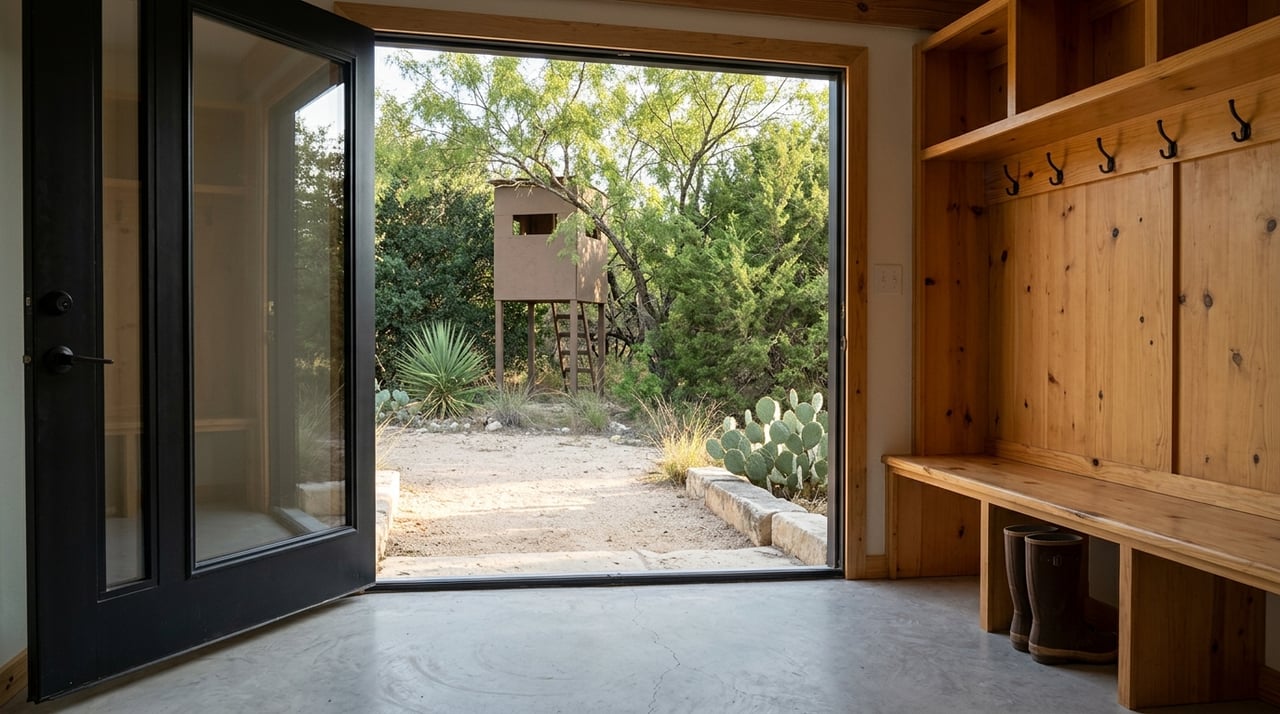
Medina County Appraisal District is clear that land used exclusively for recreation or hunting does not qualify for wildlife-management special appraisal. Wildlife management must be the primary use, and it must be tied to qualifying agricultural history.
That is an important distinction for buyers. If you are counting on wildlife-management valuation, you need to verify the existing status and supporting records instead of assuming blinds, feeders, or game activity are enough.
Improvements that support wildlife work
For Medina County recreational ranches, some improvements carry more practical value than others. Useful items often include:
- dependable water sources
- food-plot areas
- brush piles
- prescribed-burn areas
- fence modifications
- mapped wildlife-management locations
- internal access that supports habitat work and inspections
Medina CAD’s wildlife-management requirements call for a map of key activity locations and a description of target indigenous wildlife species, current land use, and planned management practices. The district also states that spin-cast feeders and feeding corn are non-qualifying activities for appraisal purposes.
Paperwork matters on wildlife tracts
A wildlife-managed property in Medina County comes with real compliance expectations. The county requires:
- a valid 1-d-1 application
- a five-year wildlife-management plan
- an annual report due by February 28
- ongoing compliance with required management activities
- possible property inspection by the district
The county guidelines state that wildlife-management land must perform at least three of the seven wildlife-management activities listed by law. So if you are buying for recreational use and hoping to maintain valuation, your diligence should include both the land itself and the paper trail behind it.
What matters most on a working ranch
If you are buying a working ranch, your focus should be operational reality. The question is not just whether the place looks like a ranch. The question is whether it can support real livestock or agricultural use under Medina County standards.
Medina CAD says agricultural valuation is a productivity-based special valuation, not a tax exemption. It is based on the land’s ability to produce crops or livestock rather than open-market value.
Use history and intensity standards
To qualify, the land must be currently devoted to agricultural use, show a five-of-seven-year agricultural history, and meet local intensity standards typical for Medina County. That means a buyer should review both current use and whether the property’s recent history supports continued qualification.
The county also gives practical benchmarks for stocking. Medina CAD states the minimum number of animal units required to qualify is three, with suggested stocking ranges of:
- 20 to 45 acres for improved pasture
- 45 to 90 acres for native pasture
- 90 to 120+ acres for rangeland brush
These are not minor details. They directly affect whether the ranch can support your operating plan and whether the current valuation appears sustainable.
Working improvements to look for
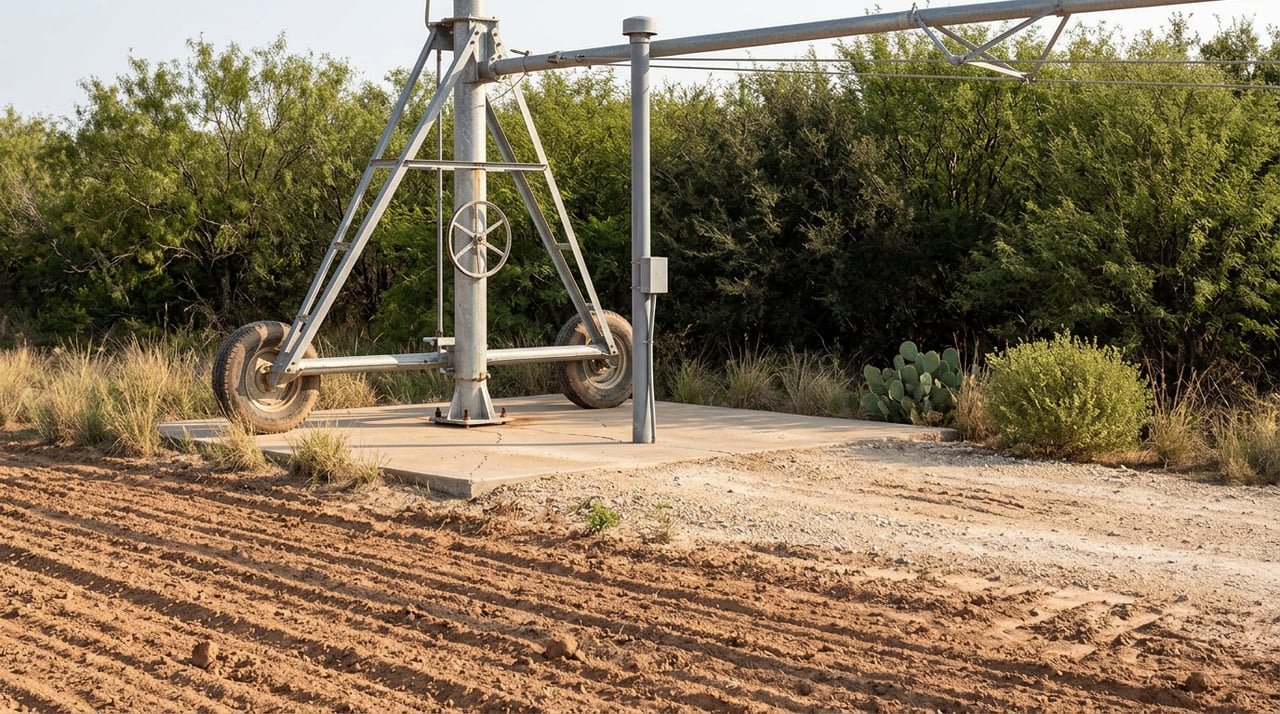
On a true working ranch, improvements should support livestock movement, forage use, and water distribution. Medina CAD points to fencing, secure gates, and a constant water source as important management factors.
Texas A&M AgriLife guidance also stresses stock water in each grazing unit and encourages buyers to think about infrastructure in terms of livestock distribution and forage use. In practical terms, useful working-ranch improvements often include:
- perimeter fencing
- cross-fencing
- secure gates
- working pens
- ponds or tanks
- troughs
- water storage
- roads that support cattle or equipment movement
Cattle remain central in Medina County
The county’s agricultural profile helps explain why buyers should take this production lens seriously. Medina County had 37,161 cattle and calves in inventory at the end of 2022, and cattle and calves were the county’s largest livestock sales category.
If you are buying a working ranch here, it makes sense to test the property against real-world cattle use. You want to know whether the ranch can stay functional through seasonal shifts, forage swings, and drought pressure.
Tax treatment can change the math
One of the biggest mistakes land buyers make is treating valuation as automatic or permanent. In Medina County, both recreational and working ranch buyers need to understand what supports the current appraisal status and what could put it at risk.
Medina CAD states that a change from qualifying use to nonqualifying use can trigger rollback taxes. Those rollback taxes equal the difference between productivity value and market value for the prior three years.
Improvements may be taxed separately
Another key point for working-ranch buyers is that agricultural appraisal applies to the land. According to Medina CAD, houses, barns, silos, sheds, and other outbuildings are appraised separately at market value.
So while improvements can add important utility, they can also add taxable value. That is worth weighing when you compare a lightly improved tract to a more built-out ranch.
Water deserves its own review
Water should never be an afterthought on Medina County land. Whether your ranch goals are recreational or operational, water affects wildlife, livestock, usability, and long-term flexibility.
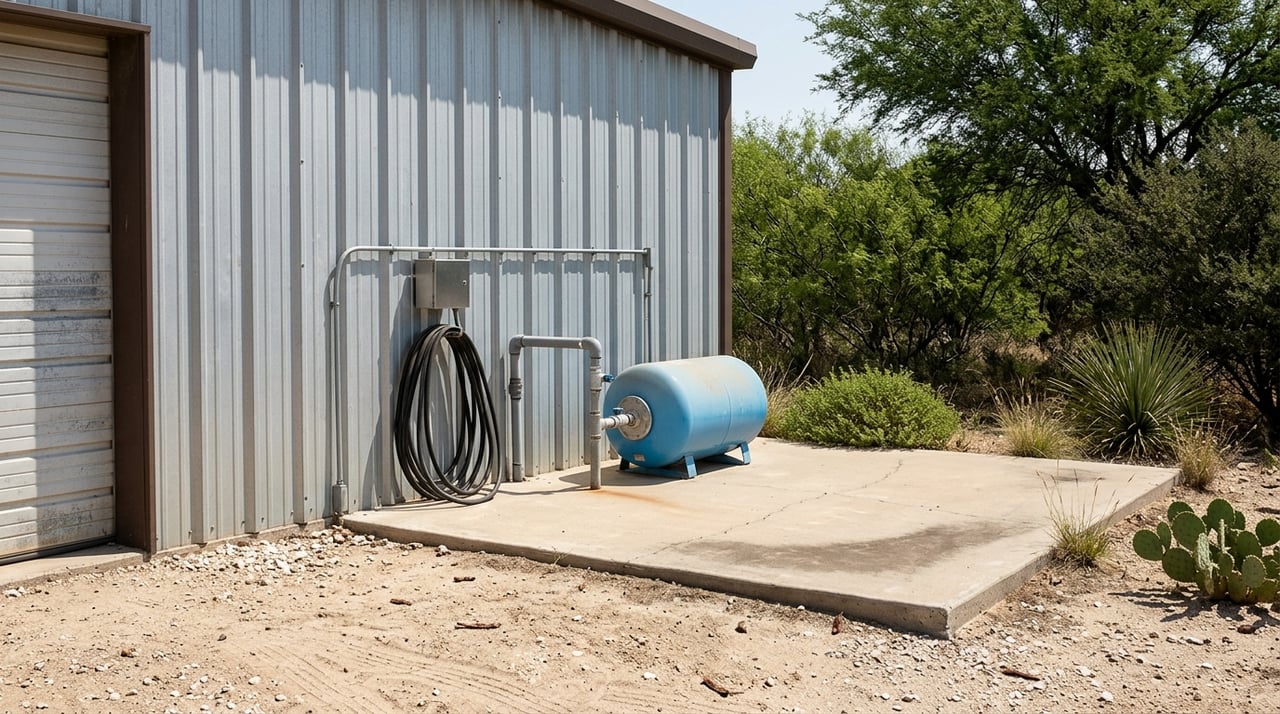
The Medina County Groundwater Conservation District is the local authority for groundwater well and conservation matters. The district also notes that Edwards Aquifer wells must be registered there.
If a property relies on a private well, you should confirm what is in place and what local requirements may apply. This is especially important because groundwater districts may regulate certain non-exempt wells through registration, permitting, spacing, or production rules.
A practical way to choose
If you want a simpler way to make the decision, start with the land’s primary purpose in your life. A recreational ranch usually makes more sense if you care most about enjoyment, habitat, privacy, and wildlife use. A working ranch usually makes more sense if your priority is recurring agricultural production and the infrastructure to support it.
From there, match the property to the plan. In Medina County, the strongest purchases are usually the ones where the land, improvements, and appraisal paperwork all support the same story.
Due diligence questions to ask
Before you move forward on either type of ranch, ask practical questions that tie back to how you will use the property.
Questions for recreational ranch buyers
- Does the property already support a credible wildlife-management plan?
- Is the habitat native and diverse enough for the species you want to manage?
- Are water, access, and internal roads good enough for regular use?
- Is there documented wildlife-management history and compliance?
- Has the property had any appraisal or inspection issues?
Questions for working ranch buyers
- Can the acreage and forage support the intended livestock numbers?
- Do the fencing and water systems match Medina County intensity standards?
- Is there a strong five-of-seven-year agricultural use history?
- Are pens, gates, roads, and water points functional for livestock movement?
- Are current improvements helping operations, taxable value, or both?
Why local, land-first guidance helps
Buying ranch land is different from buying a typical home. You are not just evaluating square footage or finishes. You are looking at access, use history, water, fencing, rights, easements, improvements, and whether the property truly fits your goals.
That is why a calm, land-first process matters. When you evaluate Medina County ranches through the lens of operations, valuation, and long-term fit, you put yourself in a better position to buy with confidence.
If you are weighing a recreational ranch against a working ranch in Medina County, Craig Wilson South Texas Land can help you look beyond the listing photos and focus on the land details that matter most.
FAQs
What is the difference between a recreational ranch and a working ranch in Medina County?
- A recreational ranch is typically focused on enjoyment, habitat, privacy, and wildlife use, while a working ranch is focused on livestock or crop production and the infrastructure needed to support that use.
Can a hunting ranch qualify for wildlife-management valuation in Medina County?
- Not by hunting use alone. Medina CAD states that wildlife management must be the primary use, and land used exclusively for recreation or hunting does not qualify.
How much acreage do you need for wildlife management in Medina County?
- Medina CAD’s wildlife-management guidelines use 50 acres for an individual tract and 20 acres for a wildlife-management association tract or endangered-species tract.
What paperwork is required for wildlife management in Medina County?
- The county requires a 1-d-1 application, a five-year management plan, and an annual report due by February 28, along with ongoing compliance and possible inspection.
What does Medina County require for agricultural appraisal on a working ranch?
- The land must be currently devoted to agricultural use, show a five-of-seven-year agricultural history, and meet local intensity standards tied to forage, livestock type, and management.
What is the main tax risk when changing ranch use in Medina County?
- A move away from qualifying agricultural or wildlife use can trigger rollback taxes based on the prior three years of tax savings under productivity valuation.
Why is water such an important issue for Medina County ranch buyers?
- Water affects livestock, wildlife, daily usability, and long-term flexibility, and well-related questions may involve the Medina County Groundwater Conservation District.