If you own land in La Salle County, you have probably seen sales figures all over the map and wondered what they mean for your ranch. You are not alone. Recent transactions show a real spread in price per acre depending on size, water, improvements, and mineral status. In this guide, you will see what today’s sales say about value, what buyers are paying for, and how to prepare your property so you can sell with confidence. Let’s dive in.
What recent sales show
La Salle County is a mixed market of large ranch deals and smaller improved parcels near town. For ranch-scale acreage, many 2024 to 2025 sales landed in the 3,000 to 5,000 dollars per acre range for larger tracts without special features. Well-improved ranches or properties with river frontage sold for more. Listing medians on major land portals often sit higher than closed-sale figures, since they skew toward amenity-rich tracts.
Representative examples
- A 1,000-acre ranch called Arroyo Verde sold in 2024 for about 3,950 dollars per acre, with high fencing, wells, tanks, and a new camp that helped drive value. See the sale details on the Arroyo Verde listing page on LandWatch.
- Riata Ranch, a 1,514.56-acre high-fence hunting ranch with tanks, a main home, and wildlife management, sold in 2024 at about 3,750 dollars per acre. Review the Riata Ranch listing summary on LandWatch.
- Arroyo Olmos Ranch, 432 acres with a luxury headquarters, multiple wells, and Nueces River frontage, sold in 2025 at about 9,826 dollars per acre. That result shows how water and improvements can multiply per-acre price. See the property profile on LandWatch.
Inventory and pricing context
Marketed inventory often lists above many raw-ranch sale comps. Median listing price per acre for La Salle County on major portals has commonly appeared in the 5,000 to 7,000 dollars per acre zone. That gap reflects how advertised tracts tend to highlight water, roads, and headquarters. You can scan county listings on Land.com’s La Salle County page.
Statewide, rural land held up well in 2025 and analysts expected modest gains into the next period. For context on the broader backdrop, see the Texas rural land markets update from Texas A&M TRERC.
The bottom line so far: expect a wide per-acre spread. Use true local comps by acreage size and improvement level rather than a single county average.
Why prices vary across La Salle County
Several features move the needle on price in our area. If you want to understand where your property may land, start here.
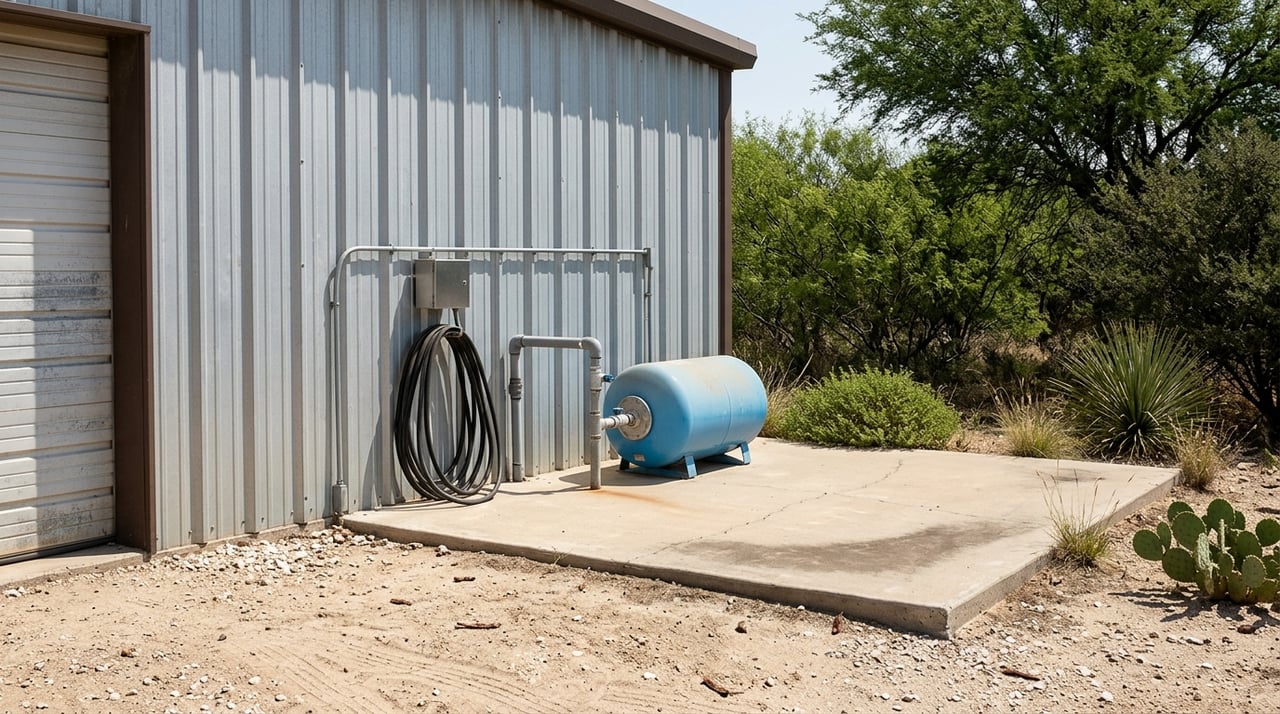
- Water is a major value driver. Working wells, storage, distribution lines, and surface water like tanks, creeks, or river frontage lift confidence and price. Listings that showcase multiple wells and reliable water often trade at higher per-acre figures.
- Turn-key improvements matter. A clean camp or main house, guest lodging, barns, walk-in cooler, solid roads, and functional pens help buyers step in on day one. Buyers pay for readiness.
- Habitat and wildlife management can lift value. In this part of South Texas whitetail country, documented herd and habitat work can command a premium with the right buyer pool.
- Minerals and access shape demand. La Salle County sits in the Eagle Ford Shale play, so mineral ownership and lease status affect both interest and offer structure. Clear, legal access along FM or county roads is also a must. Learn more about the area’s energy backdrop on EagleFordShale.com and review recorded documents through the La Salle County Clerk.
Active buyer types and priorities
Recent listings and sales point to several buyer groups that are active in La Salle County.
- Recreational and trophy-hunting buyers, including commercial hunting operators. They want high fencing, water, improved habitat, and established hunting infrastructure. You can see how listings speak to this audience on ranch profiles like Riata Ranch.
- Local and regional ranching operators. These buyers look hard at usable pasture, fence lines, water, and pens. Inventory pages on Land.com often highlight these features.
- Out-of-area buyers from the San Antonio and Laredo corridor. Proximity to I-35 and realistic drive times are selling points. Turn-key camps within a couple of hours draw attention.
- Mineral and royalty interests. In an Eagle Ford county, the status of minerals and any leases can pull in different investor profiles.
Across all types, the same priorities rise to the top: reliable water, turn-key improvements, strong access, and clean documentation.
Set your price: use the right comps
You do not need a single county average. You need a set of recent comps that match your acreage size and improvement level. The examples above show how a raw 1,000-acre ranch can live near 3,000 to 4,000 dollars per acre while a riverfront 400-plus-acre ranch with a luxury headquarters can be several multiples higher.
Illustrative price bands
Use these bands as a starting point, then refine with local comps.
- Small improved parcels under about 5 to 10 acres near town often show the highest price per acre because they include a home and utilities. Recent small-lot sales in La Salle County illustrate per-acre figures well above 25,000 dollars, with one 1.77-acre example reported above 100,000 dollars per acre on the listing page.
- Hobby and recreational tracts from about 10 to 100 acres often sell in the 3,000 to 8,000 dollars per acre range, depending on access and water.
- Ranch-scale tracts at 100 to 1,000-plus acres often trade in the 2,000 to 5,000 dollars per acre band for more raw brush country. Strong improvements or river frontage can push much higher, as the 432-acre Nueces River example showed.
Your pricing should stack your property against recent closed sales with similar size and features. The examples from LandWatch are useful reference points.
Get sale-ready in 6 to 24 months
If you think you may sell within the next two years, you can raise buyer confidence and your net by getting a few items handled now.
Documents and title
- Pull your recorded deed chain and any recorded mineral conveyances or reservations. Start with the La Salle County Clerk’s records.
- Grab your parcel record and confirm the legal description through the La Salle CAD search. Order a current survey if yours is old or if boundaries are unclear.
- Organize water documentation. Collect well logs, pump specs, and any shared-well agreements. The Wintergarden Groundwater Conservation District has helpful background, and the Texas Groundwater site offers a local overview of the district at TexasGroundwater.org.
- Confirm your agriculture or wildlife valuation history and how a sale or change of use could affect rollback taxes. Texas appraisal guidance explains rollback mechanics, and you can review general knowledge-base details on FBCAD’s site. Ask the local appraisal district for an estimate if a use change is possible.
High-ROI improvements
- Water and access first. Service or document wells, storage, and basic distribution. Grade and maintain primary roads.
- Make the headquarters shine. Repair roofs, clean up the exterior and outbuildings, and service game facilities like walk-in coolers.
- Fix easy negotiating points. Tighten up fence gaps and repair pens. Working buyers and recreational buyers both notice fence condition.
Pricing and marketing
- Price with comps that mirror your acreage size and improvement level. Do not pull a single county average. Recent La Salle sales show how river frontage and turn-key setups move the number.
- Use channels that reach real land buyers. Specialist ranch brokers, national ranch portals, and the regional MLS for smaller parcels help you hit the right audience. Strong photography, a short flyover or drive video, and a feature sheet make a measurable difference. You can see how listings present features on Land.com’s La Salle County page.
Timeline expectations
- Smaller improved parcels can move in weeks to a few months.
- Large ranches commonly take 90 to 180-plus days from marketing to close. Unique or higher-priced properties can take longer. Plan your calendar with that window in mind.
Prepare for buyer due diligence
- Expect questions about title exceptions, mineral conveyances, surveys, water and well records, easements, and any oil and gas leases or pipeline easements.
- Have your documents ready. The County Clerk and CAD search are good places to confirm recorded items and parcel data.
What this means for you
- There is active demand for South Texas hunting and ranch properties. Turn-key, water-rich tracts trade at a premium with buyers who value readiness and habitat.
- Raw brush country without improvements sells for less on a per-acre basis. Do not price off a single county average. Match size and features when you pick comps.
- Minerals and water are deal drivers in an Eagle Ford county. Document mineral ownership and leases early to avoid surprises and to set the right expectations.
- If you plan to sell within the next 6 to 24 months, start gathering title and mineral documents, confirm your survey, compile water and ag-valuation records, and set a comps-based price with a broker who works La Salle and the surrounding Golden Triangle.
If you want a clear opinion of value and a structured plan to prepare and market your La Salle County property, start a conversation with Craig Wilson. You will get land-first guidance on due diligence, pricing, and targeted outreach that connects your acreage with qualified buyers.
FAQs
How do recent La Salle County ranch sales affect my price per acre?
- Large, raw tracts often trade around 3,000 to 5,000 dollars per acre, while improved or riverfront properties can sell much higher, so price with comps that match your acreage size and improvements.
Which improvements boost sale price the most in La Salle County?
- Reliable wells and storage, solid roads, a clean headquarters, and documented habitat or wildlife management tend to lift per-acre value because they reduce buyer effort and risk.
How do mineral rights impact a land sale in La Salle County?
- La Salle County sits in the Eagle Ford Shale, so mineral ownership and lease status can change buyer interest and offer terms, which is why you should document and disclose mineral status early; see the regional context on EagleFordShale.com.
What documents should I gather before listing rural land in La Salle County?
- Collect your deed and mineral documents, survey, well logs, and ag or wildlife valuation records, and use the County Clerk and La Salle CAD search to confirm recorded items and parcel data.
How long does it take to sell a ranch in La Salle County?
- Smaller improved parcels can close in weeks to a few months, while large ranches often take 90 to 180-plus days from active marketing to closing, depending on features, price, and buyer readiness.