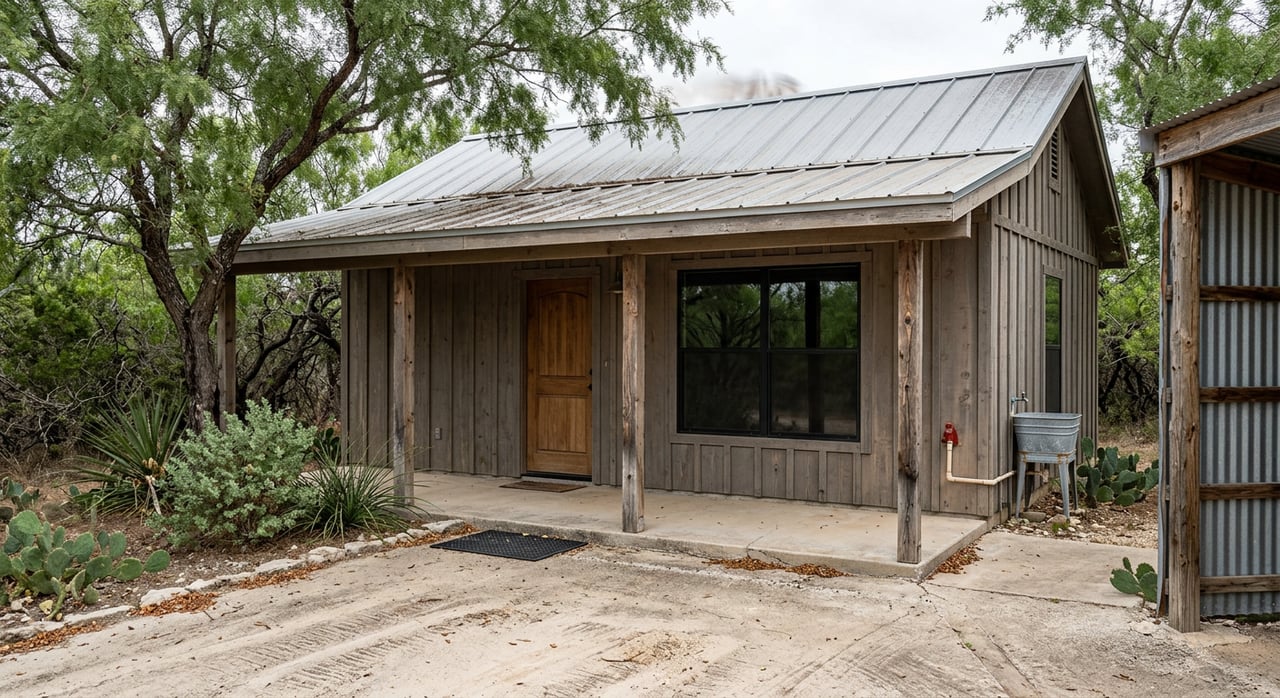
Picture this: you pull through a quiet ranch gate on a Friday evening, grill going, a big South Texas sky overhead, and whitetails easing out at dusk. If you’ve been craving a simple retreat that fits into real life, a weekend ranch in Zavala County can be that place. You want space, privacy, and low-hassle ownership without buying a full-time operation. In this guide, you’ll learn what size to consider, how access and utilities work, the basics of water and septic, seasonal uses, and the key tax and legal items to check. Let’s dive in.
What a Zavala weekend ranch feels like
Zavala County is classic South Texas brush country with a strong agricultural base and a small-town feel. The county counted about 9,670 residents in 2020, with Crystal City as the seat, which keeps things quiet on weekends and holidays. You’ll find large legacy ranches around you and, at times, smaller recreational tracts.
Agriculture is a big part of the landscape. Texas A&M data shows hundreds of thousands of acres in farms and ranches across the county, with pasture and woodland making up the majority of farm acres. That mix is why both small ranchettes and big working ranches are common here.
Typical size and setup
- Most weekend buyers look at 10 to 100 acres. Ten to 30 acres suits a cabin or RV, some trails, and a small gear shed. Fifty to 100 acres adds privacy, room for a stock tank, simple blinds, and light grazing.
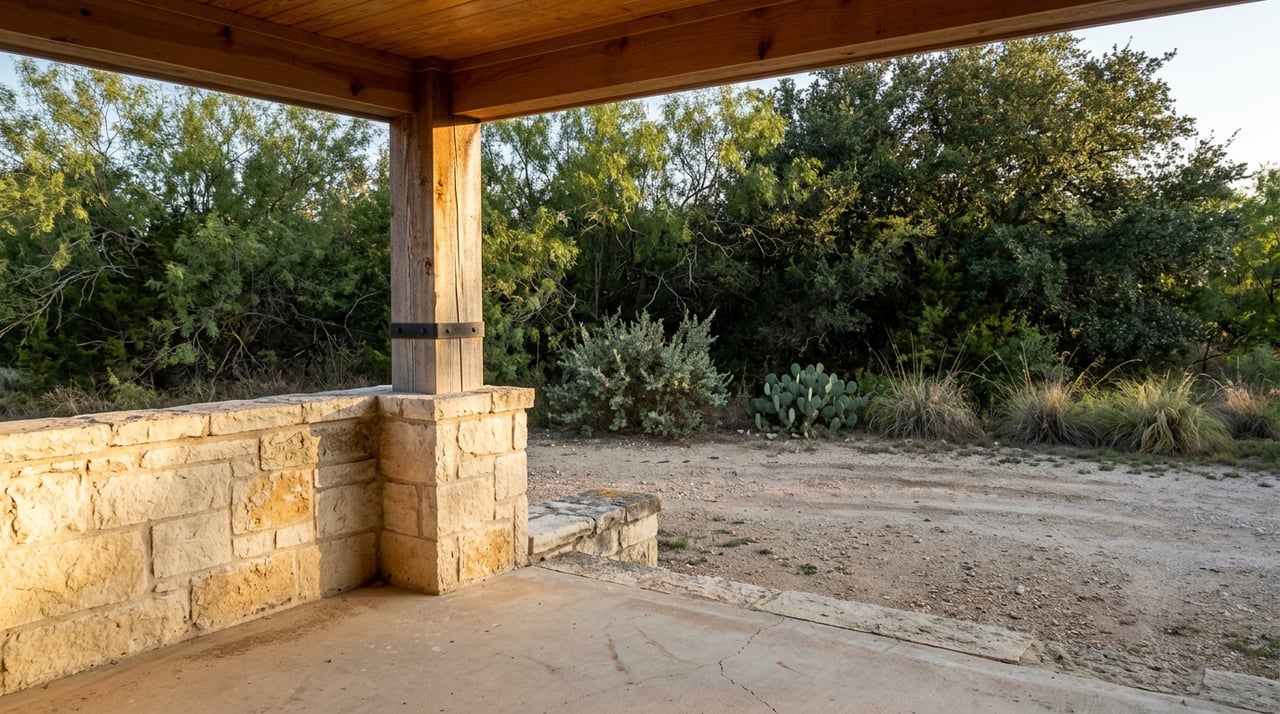
- Expect low-maintenance improvements: a water well with storage, a permitted septic system, basic fencing, a compact cabin or RV pad, a small barn, and simple roads you can keep up seasonally.
- Price per acre varies with size, water, improvements, access, and proximity to town. Smaller, well-improved tracts often carry higher per-acre pricing than larger raw acreage.
Drive times that fit a weekend
You want to get there without turning the trip into a chore. From Crystal City, the drive to San Antonio commonly runs about 1.75 to 2 hours depending on route and traffic. That window makes Friday arrivals and Sunday returns realistic.
Recreation and seasonal rhythm
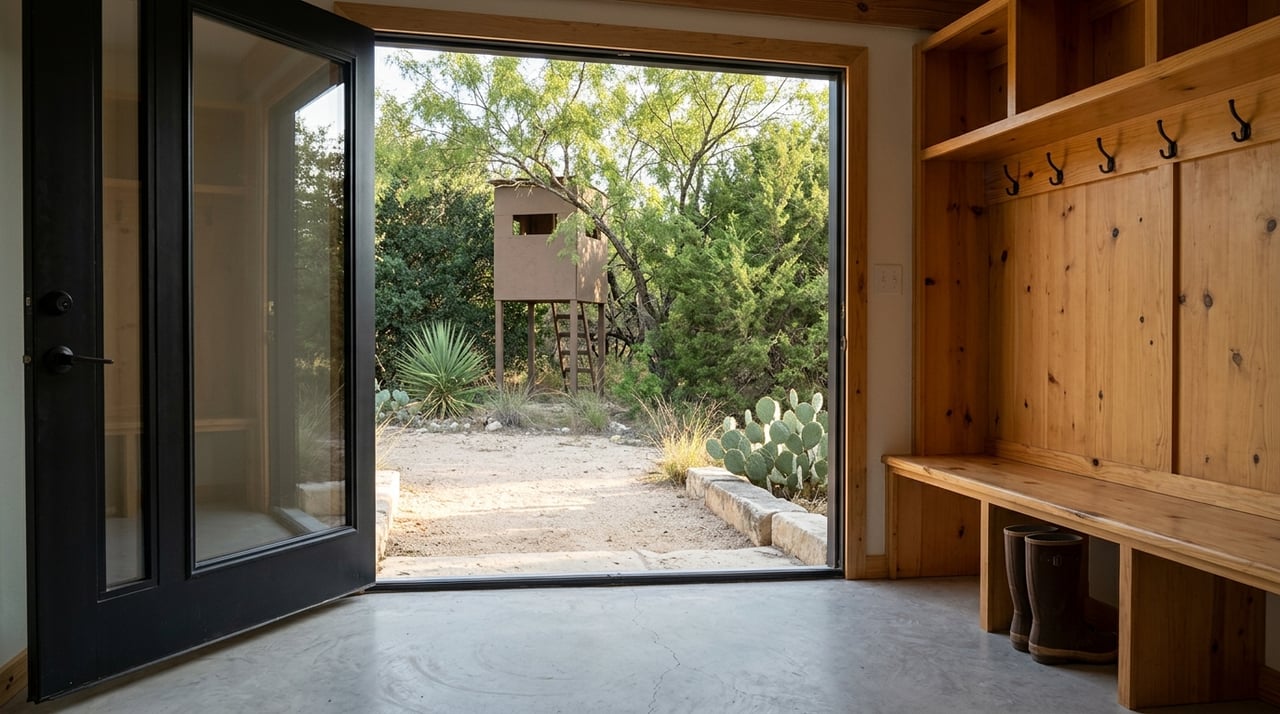
Hunting drives much of the weekend-ranch demand. In South Texas you’ll see whitetail deer, dove, turkey, quail, and feral hogs. The Texas Parks & Wildlife Department publishes county and zone specifics for seasons and bag limits. Many owners lean into fall and winter for hunting, spring for family time and wildflowers, and summer for early-morning fishing, projects, and shaded afternoons.
Beyond hunting, you can expect ATV or UTV trail riding, horseback riding, birding and photography, and light cattle or horse grazing. The county’s agricultural footprint supports practical options like small grazing leases if you want to keep grass managed and costs offset.
Access, utilities, and water basics
Water and wells
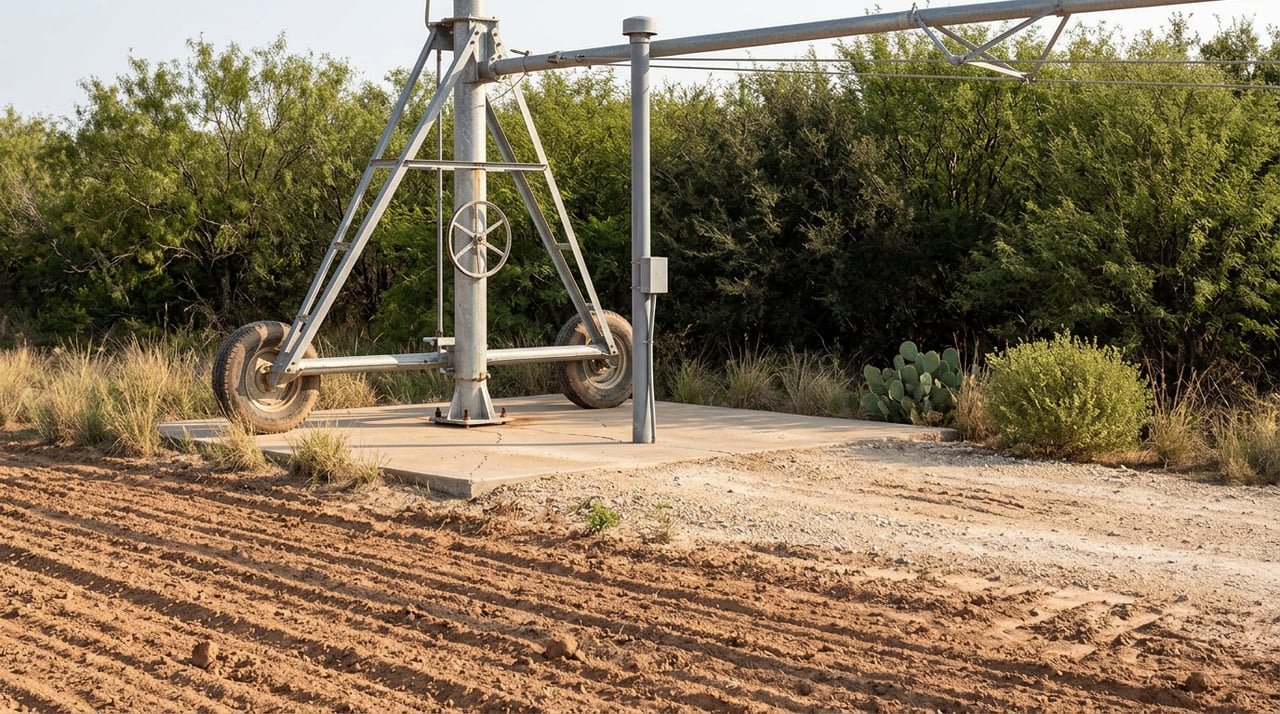
For most rural parcels you will rely on a private well. Zavala sits in the Wintergarden area, where the Carrizo-Wilcox aquifer supplies many domestic and livestock wells. Yields and water quality vary by location, which is why you verify well depth, pump condition, test results, and storage capacity before you buy. The Wintergarden Groundwater Conservation District promotes local conservation and rainwater harvesting, and you should review any well registration or rules that apply.
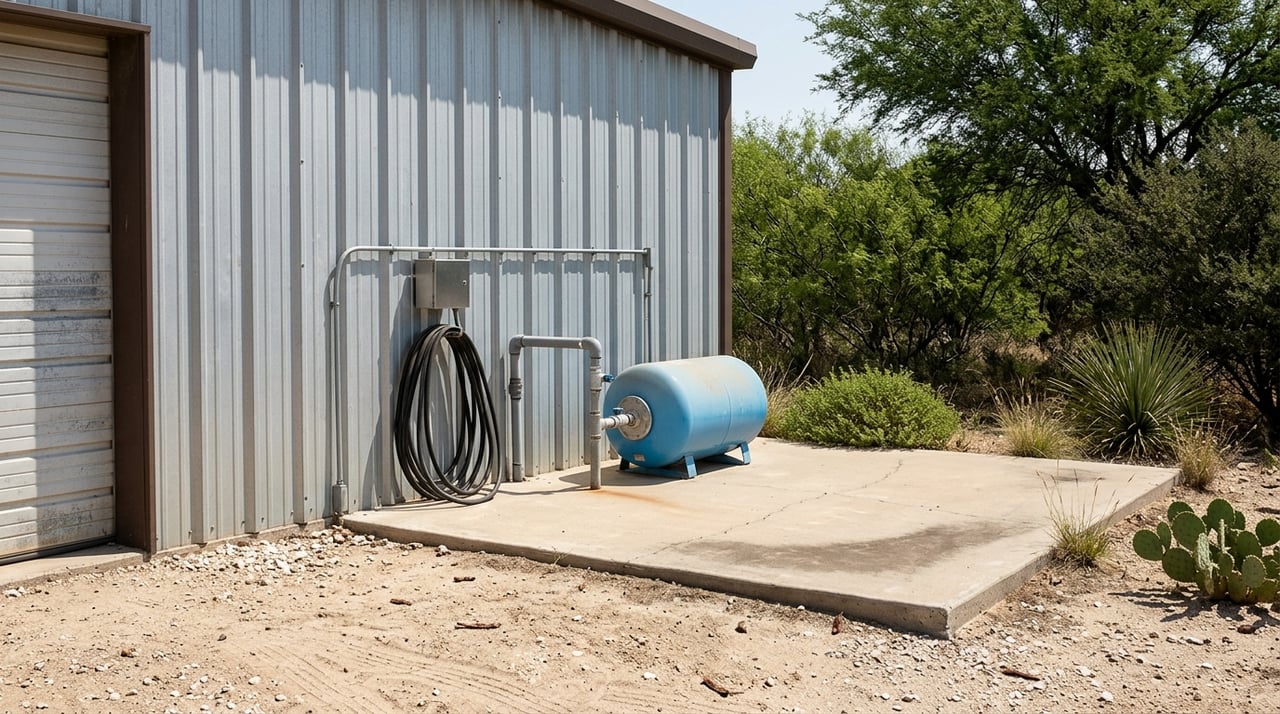
Licensed drillers and pump installers handle new work and major repairs. Budget for drilling if there is no existing well, plus a storage tank sized for weekend use and livestock watering.
Septic and sanitation
Any cabin or home will need an On-Site Sewage Facility. Permits and conforming designs are required in Texas, and many areas use delegated local authorities to manage the program. If an older system exists, plan for an inspection and potential upgrades so you have reliable, permitted service.
Power and communications
Some tracts have electric service at the road. Others require a line extension, which can be costly. For a low-visit property, many owners go with a compact solar array plus battery and a backup generator. Cell and internet coverage can be spotty in rural South Texas, so confirm signal on-site and ask about any fixed wireless options.
Roads and entrances
Weekend-friendly access matters. Paved frontage is convenient but many ranches use caliche or dirt roads. Plan for gate locks, clear signage, and occasional grading, especially after heavy rain. If you are not on-site often, consider a local contractor or an arrangement with a neighbor to check the entrance after storms.
Brush and habitat management
Mesquite, huisache, prickly pear, blackbrush, and native grasses define much of the brush country. Selective, integrated management can improve access, reduce fire risk, and support wildlife goals. Approaches range from mechanical clearing to targeted herbicides and prescribed grazing. Work with extension resources for strategies that fit your goals and your ecoregion.
Taxes, agricultural valuation, and wildlife plans
Texas offers special appraisals that can reduce property taxes when land is used for agriculture, timber, or wildlife management. Requirements, documentation, and qualifying use are set by the Texas Comptroller and administered locally through the county appraisal district. Before you rely on a lower tax estimate, confirm the current status, how to qualify or maintain eligibility, and whether any rollback taxes could apply if use changes. If you plan to convert from agricultural use to wildlife management, be prepared to submit a compatible wildlife management plan and complete qualifying practices.
For local application and records, contact the Zavala Central Appraisal District.
A low-maintenance setup that works
Here’s a simple framework to keep your weekend ranch easy to own:
- At purchase, verify key systems: well yield and water test, OSSF permit status, electric availability and estimated line extension if needed, gate and access road condition, fence integrity if livestock are present, and any active surface or grazing leases.
- One-time investments to stabilize the property: reliable well equipment plus a storage tank, rainwater harvesting to supplement storage, a septic inspection or a new permitted system, an RV hookup or compact cabin, and a solar plus battery setup for backup power.
- Ongoing tasks to schedule or outsource: quarterly road grading at the entrance, seasonal fence repairs, spot brush control, routine well and pump checks, scheduled septic service, HVAC service on the cabin, and seasonal pest control.
- Costs to expect: routine annual upkeep on a small weekend ranch commonly runs in the low thousands of dollars. Larger one-time items, such as a new well, a septic replacement, or a long electric line extension, can run several thousand to tens of thousands depending on scope. Always get local contractor estimates before you close.
Legal and administrative checks
A clean file up front saves headaches later. Focus on:
- Groundwater and wells. Review any well registrations, recent test results, and GCD rules.
- Septic permits. Confirm that any system is permitted, sized for use, and in working condition.
- Rights and leases. Ask for a title review focused on easements, rights of way, and any active surface or grazing leases. Oil and gas leases or operations may exist in the region, so understand how they affect access and surface use.
- Taxes and special appraisal status. Verify current appraisal status and any steps needed to apply or maintain eligibility.
Questions to ask before you buy
- What is the well depth, yield, age of the pump, and last water quality test result? How much storage is on-site today?
- Is there a permitted OSSF, and when was it last serviced or inspected? If not, what will permitting and installation cost?
- Is electric service on the property, at the road, or will it require a line extension? What is the quoted cost and timeline?
- How is the property accessed in wet weather, and who maintains the entrance road?
- What is the current tax appraisal status, and will a change in use trigger rollback taxes?
- Are there any active surface, hunting, or grazing leases? What are the terms and termination dates?
How I help you get it right
You want a simple, capable setup that matches how you plan to use the land. That starts with disciplined due diligence and a clear plan. I focus on South Texas ranch and acreage properties, with an operations-first approach. I help you evaluate water, septic, access, improvements, rights and easements, and tax status so there are fewer surprises and a smoother path to closing. When you are ready to explore weekend ranch options in Zavala County, let’s talk about the fit that suits your goals.
Ready to map out a smart, low-maintenance plan for your weekend ranch? Start a Conversation with Craig Wilson South Texas Land.
FAQs
What size works for a weekend ranch in Zavala County?
- Most buyers target 10 to 100 acres. Ten to 30 acres supports a cabin or RV, trails, and a small gear shed, while 50 to 100 acres adds privacy plus room for a stock tank, blinds, and light grazing.
How far is Zavala County from San Antonio for weekend trips?
- From Crystal City, many routes run about 1.75 to 2 hours, which makes Friday-to-Sunday visits realistic without burning most of your time on the road.
Will I need a water well and a septic system?
- In most rural areas, yes. Plan for a private well and a permitted on-site sewage facility, and verify permits, system condition, and water test results before closing.
What are the main recreational uses on small ranches here?
- Whitetail deer and dove hunting lead the list, with turkey, quail, and feral hogs also common, plus ATV or UTV trail riding, birding, photography, and light grazing.
Can I reduce property taxes with an agricultural or wildlife valuation?
- Possibly. Texas offers special appraisals for qualifying agricultural or wildlife management use, administered by the county appraisal district. Confirm current status, qualifying steps, and any rollback risk before you rely on a lower tax estimate.
What does a low-maintenance setup look like?
- A reliable well with storage, a permitted septic system, simple fencing, an RV pad or compact cabin, a small barn, and a manageable road entrance, plus a basic service schedule for roads, fences, brush, and systems.