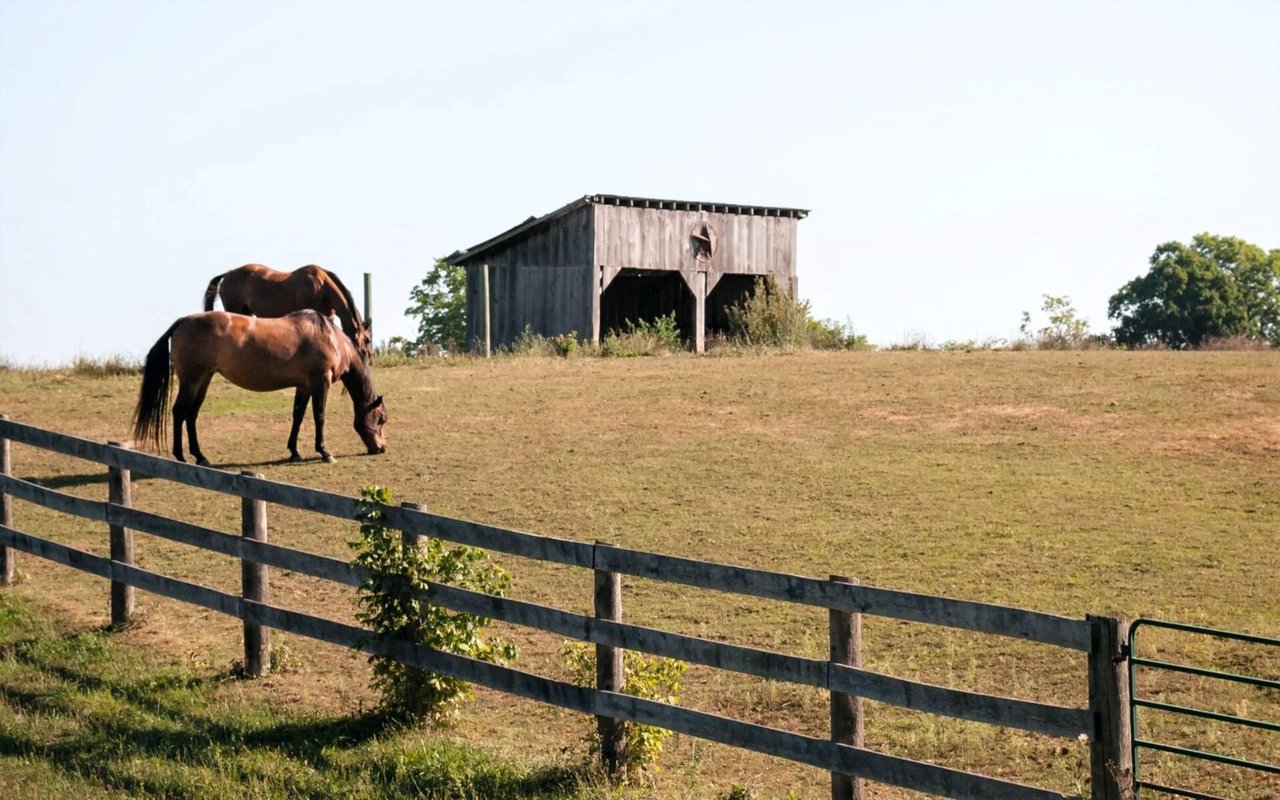
Selling a ranch in Texas or Oklahoma isn’t like selling a house in the suburbs. When you’re selling land, you’re not just offering acreage—you’re offering history, utility, and potential. Whether it’s a working cattle ranch, a recreational retreat, or raw land with future development possibilities, how you prepare it for the market can add (or subtract) hundreds of thousands of dollars from your final price.
I’ve walked properties that sold in weeks and others that sat on the market for years. The difference? Preparation.
In this guide, we’ll break down what ranch owners need to do before hanging that “For Sale” sign, so buyers see the best version of your land—and you walk away with the best deal.
Step 1: See Your Land Through a Buyer’s Eyes
The first thing I tell sellers: take off your owner’s hat and put on a buyer’s.
- As an owner, you may see the ranch where you raised cattle, built fences, and hosted family barbecues.
- As a buyer, someone sees water sources, grazing capacity, road access, fencing quality, and whether the land “feels” well cared for.
Buyers are comparing your property against dozens of others, sometimes flying in from across the country. First impressions matter more than you think.
Ask yourself: If I were buying this place tomorrow, what would I want to see fixed, cleaned, or documented?
Step 2: Clean, Clear, and Repair
Think of this like staging a home—but for land.
Fencing
- Buyers notice fences. Broken wires, sagging posts, or rusted gates send the signal that the property hasn’t been maintained.
- A modest investment in fence repair can dramatically change the curb appeal of your ranch.
Roads and Access
- Make sure main ranch roads are drivable. Buyers in trucks (or SUVs if they’re out-of-staters) need to access pastures, ponds, and key features.
- Poor access can knock tens of thousands off perceived value.
Brush and Pastures
- Clearing overgrown brush not only improves aesthetics but also shows off usable acreage.
- Mowed pastures look more inviting than knee-high weeds.
Water Features
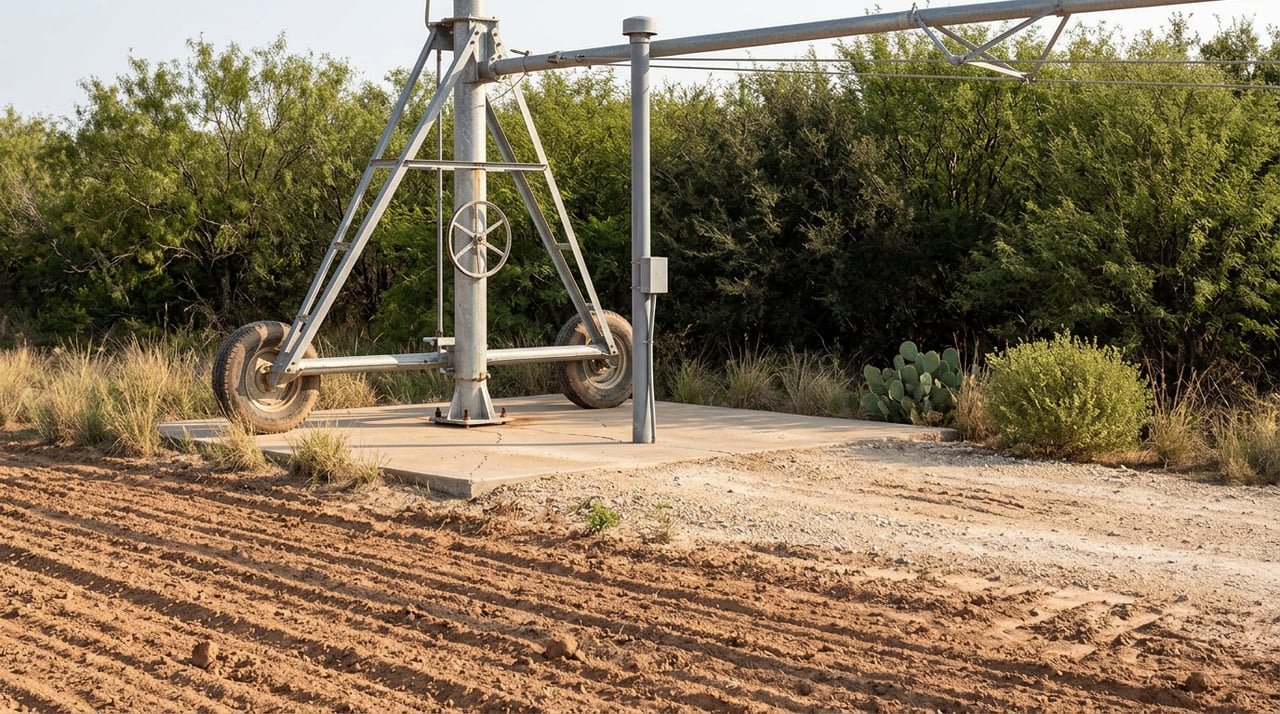
- If you’ve got a pond, creek, or stock tank, showcase it. Clear cattails, repair dams, and make sure pumps are operational. A clean water feature adds significant value.
Step 3: Highlight the Improvements
Most buyers aren’t looking for raw dirt. They want to know what improvements come with the land. Even small upgrades can increase perceived value.
-
Barns & Outbuildings: Clean them out, fix broken doors, and ensure electricity and plumbing are working if applicable.
-
Working Pens & Corrals: For ranchers, functional livestock infrastructure is a big plus.
-
Cross-Fencing: Show how pastures are divided for rotational grazing.
-
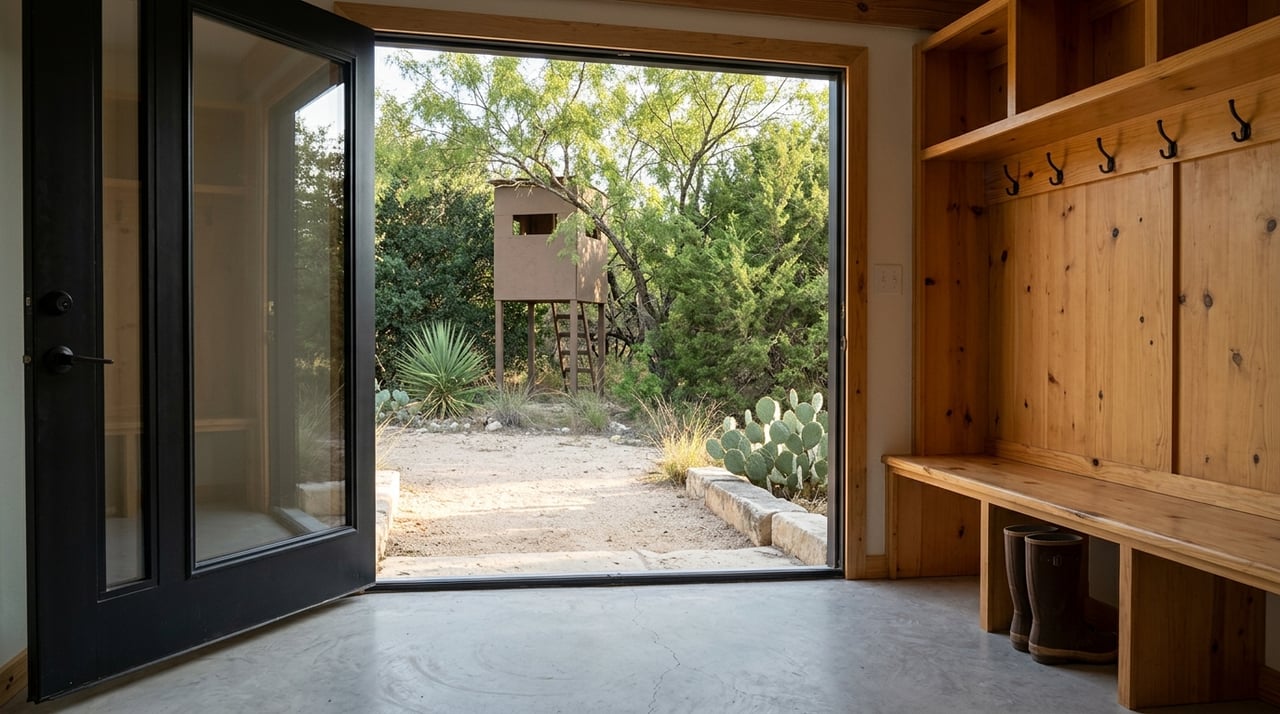
Wildlife Management: Food plots, feeders, and blinds can appeal to recreational buyers.
-
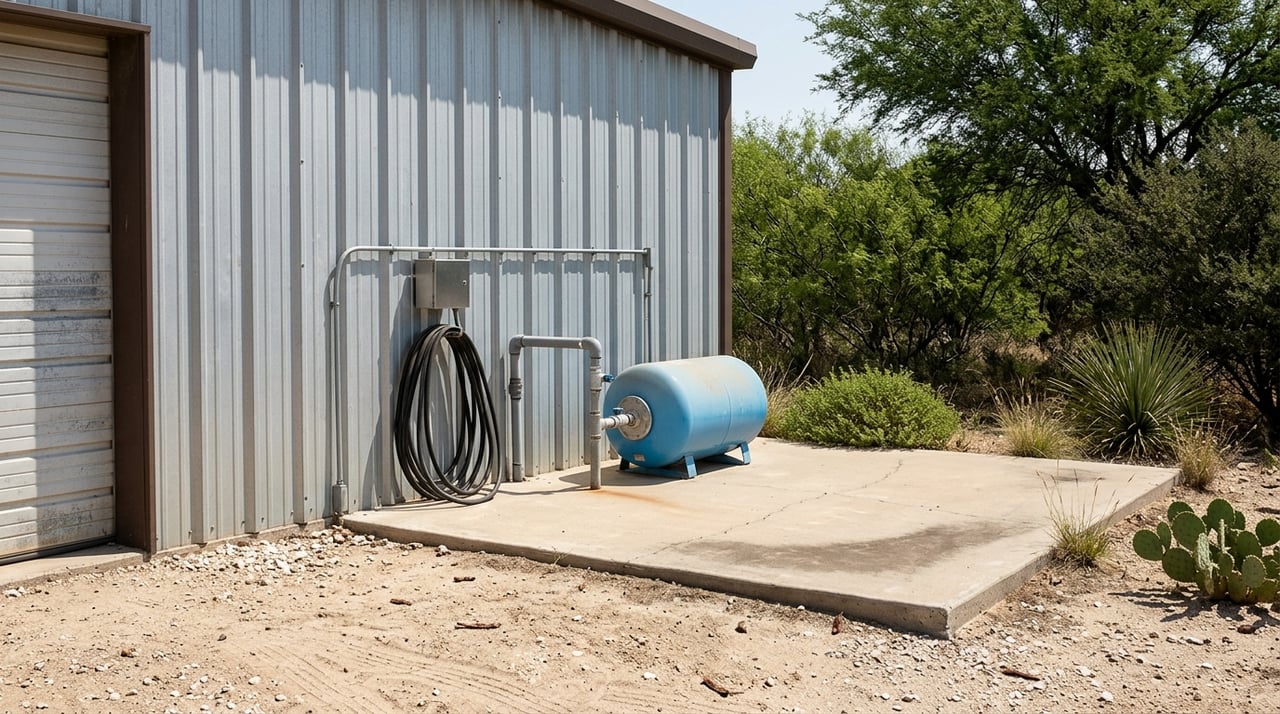
Utilities: Water wells, electric hookups, septic systems—make sure they’re in working order and documented.
Rule of thumb: If you’ve invested money in it, make sure buyers can see it, use it, and value it.
Step 4: Gather Your Documentation
This is where many sellers get tripped up. Buyers today—especially investors—want clarity. If you can’t provide answers, they move on.
Here’s the short list of documents every ranch seller should have ready:
-
Survey (current and accurate)
-
Title work (with mineral rights clearly outlined—what you own, what’s leased, what’s reserved)
-
Water rights documentation (surface water, wells, irrigation permits)
-
Ag exemption records (property tax savings are huge for buyers—don’t make them guess)
-
Leases (grazing, hunting, oil & gas, wind, or solar)
-
Soil reports (if you’ve got productive ag land, prove it)
-
Conservation agreements or restrictions (buyers need to know what they can and can’t do)
Having this documentation ready signals professionalism, reduces delays, and can increase buyer trust.
Step 5: Market It Like the Legacy It Is
Too many ranches are marketed with grainy cellphone photos and vague descriptions. That won’t cut it in 2025.
Drone Photography & Video
Showcase the full scope of your land with aerial footage. Buyers want to see water features, pastures, elevation changes, and improvements from above.
Lifestyle Storytelling
Don’t just say “good hunting.” Show the blinds, highlight trail cam photos, and talk about the deer population. If it’s a cattle ranch, showcase cattle in green pastures.
Digital Reach
Most serious land buyers don’t stumble across your property driving down a county road—they find it online. Platforms like Land.com, MLS, and social media are essential.
Professional Representation
An agent who specializes in farm and ranch land doesn’t just list property; they know how to tell its story, value its improvements, and negotiate unique elements like water and mineral rights.
Step 6: Price It Right
This may be the hardest step. Overpricing land is one of the fastest ways to kill momentum.
Remember: buyers today have access to data. They’re looking at comps, price-per-acre trends, and satellite imagery. If you overshoot, you’ll sit on the market. If you underprice, you leave money on the table.
Work with a specialist who knows the local market, understands regional variations, and can defend your asking price with data.
Seller Mistakes to Avoid
-
Ignoring curb appeal. Buyers form opinions in the first 10 minutes on-site.
-
Hiding information. If you don’t disclose, it often comes back in negotiations.
-
DIY marketing. Professional presentation pays for itself in higher offers.
-
Waiting too long. If you’re thinking about selling, prepare now. Market cycles can shift.
The Bottom Line
Selling a ranch isn’t about throwing up a sign and waiting. It’s about presenting your property as a well-cared-for, high-value opportunity. With land values stable and buyer demand still strong, 2025 is a great time to sell—if you prepare correctly.
When buyers pull through your gate, they should see possibility, not problems. And when you sit down at the closing table, you should know you’ve maximized every acre’s value.
Because at the end of the day, selling ranch land isn’t just about letting go—it’s about passing on a legacy.