Trying to decide between a small ranchette and a larger acreage tract in Medina County? You are not alone. Each option delivers a different mix of privacy, maintenance, utilities, taxes, and long-term potential. In this guide, you will learn how properties are sized and used locally, what really drives value, and the key checks that protect your purchase. Let’s dive in.
What “ranchette” and “large tract” mean here
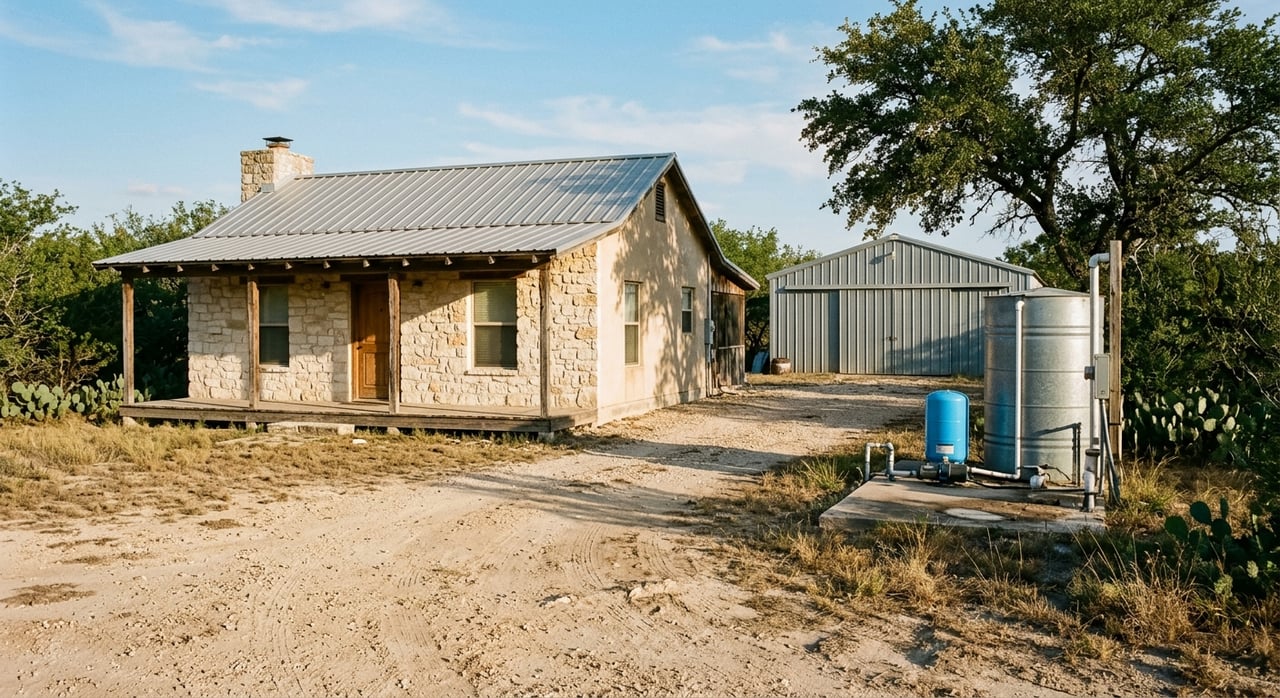
In Medina County, a ranchette usually means about 2 to 20 acres set up for a country home or hobby ranch. Larger tracts start around 20 acres and up and can stretch into legacy ranches.
- Small ranchette (1–5 acres): Country home scale, often near town and utilities; easy upkeep. You will see many examples when browsing area listings on sites like LandSearch.
- Medium ranchette (5–20 acres): Space for animals, a shop, and small pastures; popular for a rural lifestyle without full-time ranch work. Marketplaces such as Land.com’s Medina County ranch page show common configurations.
- Small ranch (20–100 acres): Supports modest cattle or wildlife management and may include multiple wells or tanks. For perspective on sizes and setups in this range, review examples on LandWatch’s 51–100 acre filter.
- Large tract (100+ acres): Investment or legacy properties with scale for grazing and hunting; these listings tend to skew per‑acre numbers on aggregator sites.
What drives value in Medina County
Per‑acre listing prices vary widely. Aggregator data can land in the low to mid five figures per acre, but those are list prices, not closed-sale medians. Treat them as a directional indicator only and confirm value with recent comps for your specific area. You will see the biggest pricing swings based on two factors:
- Proximity to the San Antonio metro fringe. Parcels closer to Castroville or along strong commuter routes often list higher.
- Presence of improvements and water. A house, barn, good fencing, reliable well, storage, or surface water typically commands a premium.
For browsing context, use LandSearch’s Medina County results, then verify with MLS comps before you set an offer strategy.
Match the land to your goals
Families near town
If you want a primary home with a country feel and manageable upkeep, 1–20 acres close to Castroville or Hondo is a common fit. Look for proven water (well logs or public water access), a permitted septic, and all‑weather county road access.
Hobby ranchers and equestrian buyers
If you want room for animals, shop space, and privacy without 24/7 ranching, 5–50 acres works well. Focus on cross fencing, a reliable well or stock tank, and functional improvements. If tax savings are part of your plan, confirm whether the parcel already has an agricultural valuation.
Investors and hunting‑ranch buyers
If you value habitat, scale, and potential revenue, 20 to 1000+ acres can make sense. Pay close attention to multiple water sources, practical access for equipment, and clear title to both surface and any mineral interests.
Utilities and access you must verify
Water and wells
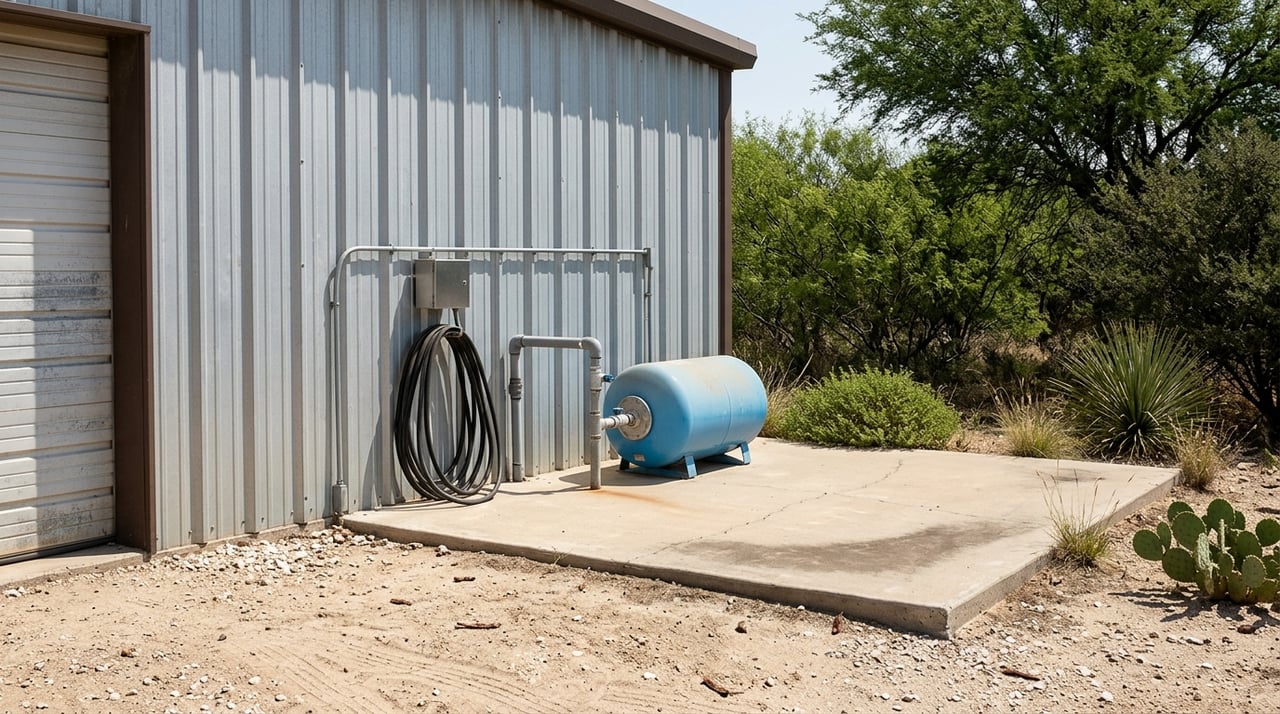
Medina County is served by the local Groundwater Conservation District. Rules around well registration and permitted uses apply by well type and use. Before you bid, request well logs, static level, pump size, storage capacity, and recent water quality tests. If there is no well, confirm if a public or water‑supply corporation meter is available at the road. Learn more at the Medina County Groundwater Conservation District.
Septic systems (OSSF)
Most rural tracts rely on on‑site sewage facilities. Medina County’s Environmental Health Group administers permits and enforces state rules. Ask for any existing OSSF permit, as‑built drawings, and service records. A failing or undersized system is a common deal issue on ranchettes. Get forms and guidance from Medina County Environmental Health.
Electricity and broadband
Many parcels are served by Medina Electric Cooperative. Confirm the meter location, whether a new line extension or transformer is needed, and any related costs. The co‑op and other providers offer broadband options in some areas, but coverage varies by parcel. See a local overview of Medina EC on LaredoNow. For Internet, run speed tests with your preferred carrier at the proposed homesite and consider satellite as a backup.
Roads, access, and floodplain
Do not assume you have legal access just because there is a visible drive. Confirm a recorded easement or public right‑of‑way. Check county subdivision and plat status and review FEMA flood maps to understand any buildable‑area constraints. Start with the county’s floodplain and permitting resources through Medina County Environmental Health.
Taxes, ag valuation, and ownership details
Appraisal basics and tax rates
The Medina Central Appraisal District handles appraisals, exemptions, and special valuations. Pull the property’s appraisal record and last tax bill to understand total taxing units. As a benchmark, the county’s adopted ad valorem component for FY 2025–2026 is $0.4434 per $100 of assessed value for the county portion only. Your total rate depends on overlapping units such as school districts. Review the CAD’s materials in the Mass Appraisal Report and see the county budget for rate context in the Adopted Budget.
Agricultural and wildlife valuation
Texas offers special open‑space appraisal for qualifying agricultural land, including wildlife management in many cases. This can significantly lower property taxes when intensity and history requirements are met. If you plan to continue ag or wildlife use, confirm whether the tract already has a 1‑d‑1 valuation and how a change of ownership may affect it. Rules and forms are available through the Texas Comptroller’s ag and timber resources.
Mineral rights and leases
In Texas, the mineral estate can be severed from the surface. Existing mineral leases or reserved mineral rights can affect how you use the surface, including access for drilling or pipelines. Have your title company identify mineral reservations and outstanding leases, and consult a land or oil and gas attorney if needed.
Zoning, subdivision, and permits
Outside city limits, you will not see city-style zoning, but county rules govern subdivision, floodplain development, septic, and related permits. Inside cities or ETJs, local zoning and utilities may apply. Always confirm jurisdiction and any deed restrictions or HOA rules before you plan improvements. County resources are posted under Medina County Environmental Health.
Ranchettes vs larger tracts: tradeoffs
When a ranchette fits
- Shorter commutes and easier access to utilities.
- Manageable maintenance and fencing costs.
- Lower entry price than a big ranch, but a smaller privacy buffer.
- Watch for subdivision rules, deed restrictions, and neighbor proximity.
When a larger tract shines
- Greater privacy, habitat potential, and hunting options.
- More room for livestock, cross fencing, and multiple water sources.
- Flexibility for wildlife management plans and potential ag valuation.
- Higher upfront and ongoing costs for roads, fencing, and brush control.
Buyer checklist for Medina County
- Confirm legal access via public road or recorded easement.
- Water: get well logs, pump specs, water test results, and storage details; if no well, confirm public water availability. See the Medina County GCD.
- Septic: obtain the county OSSF permit or as‑built and the maintenance history. Start with Medina County Environmental Health.
- Electricity and broadband: locate meters, price any line extensions, and verify cellular and ISP coverage. See a local overview of Medina Electric Cooperative.
- Floodplain: pull a FEMA FIRM map and review county floodplain rules at Environmental Health.
- Title and minerals: have your title company flag severed mineral rights and any oil and gas leases.
- Taxes and appraisal: review the CAD record, exemptions, and any 1‑d‑1 or wildlife valuation; see the CAD’s Mass Appraisal Report.
- Permits and restrictions: confirm subdivision/plat status, city or ETJ rules, and deed restrictions via county resources.
- Operating costs: budget for fencing repairs, brush control, road upkeep, well pump and septic servicing, and annual taxes.
Your next step
If you are weighing a few acres near town or a bigger recreational tract, the best next move is a focused due diligence plan tied to your use case. That means verifying water and septic, mapping access, confirming taxes and any ag valuation, and reviewing title and minerals early.
If you want a clear, land-first process and local guidance, let’s talk. Start a Conversation with Craig Wilson South Texas Land and get a step-by-step plan for your Medina County search.
FAQs
What is a “ranchette” in Medina County?
- Locally, buyers use “ranchette” to describe roughly 2–20 acres set up for a country home or hobby use, often closer to town and utilities than large ranches.
How does agricultural valuation lower property taxes?
- Texas offers special open‑space appraisal for qualifying agricultural or wildlife use, which can reduce taxable value; rules and forms are on the Texas Comptroller’s site.
What should I verify about a well before buying?
- Request well logs, static level, pump size, storage, and recent water quality tests, and confirm any local rules with the Medina County GCD.
Do mineral rights affect how I use my land?
- Yes. Minerals can be severed; leases and reservations may allow access for drilling or pipelines, so have your title company and attorney review before closing.
Are building permits required outside city limits?
- Counties regulate septic, floodplain, and subdivision rules. Inside cities or ETJs, zoning and building permits may apply. Check Medina County Environmental Health for county requirements.
What influences per‑acre prices in Medina County?
- Proximity to the San Antonio metro fringe and the presence of improvements and water are major drivers; verify value with local comps beyond listing aggregates like LandSearch.